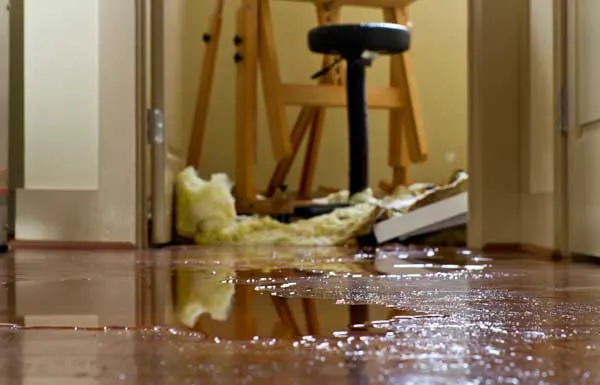
Water Damage Restoration
From a burst pipe to a leaking appliance, the work starts with finding the extent of the moisture. Water extraction, drying and moisture checks help establish what can be saved and what needs repair.
Learn More
24/7 Commercial & Residential
Restoration Services
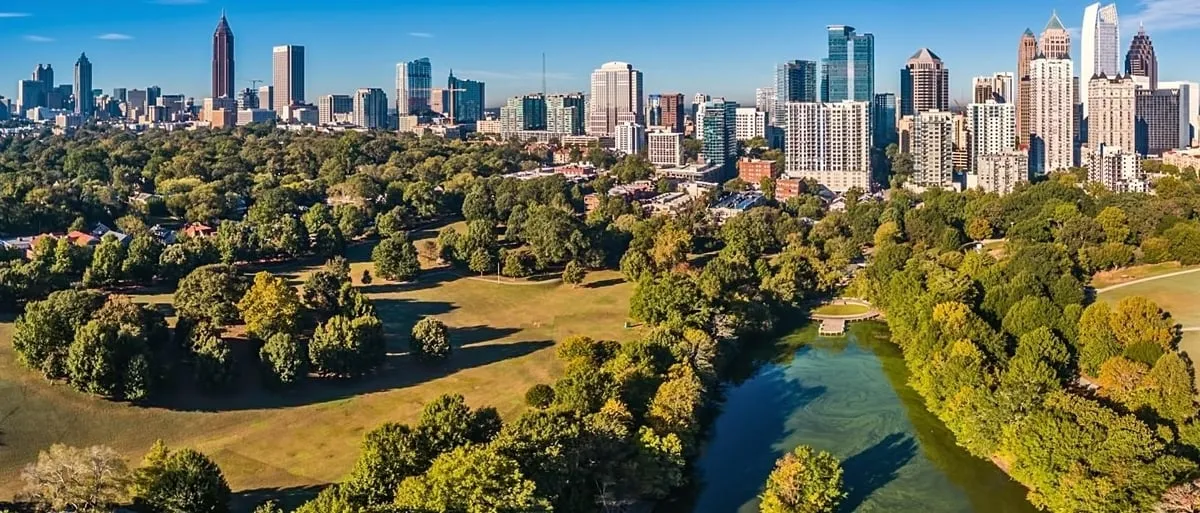
Water removal, fire and smoke cleanup, mold remediation and repairs for Atlanta homes and businesses.
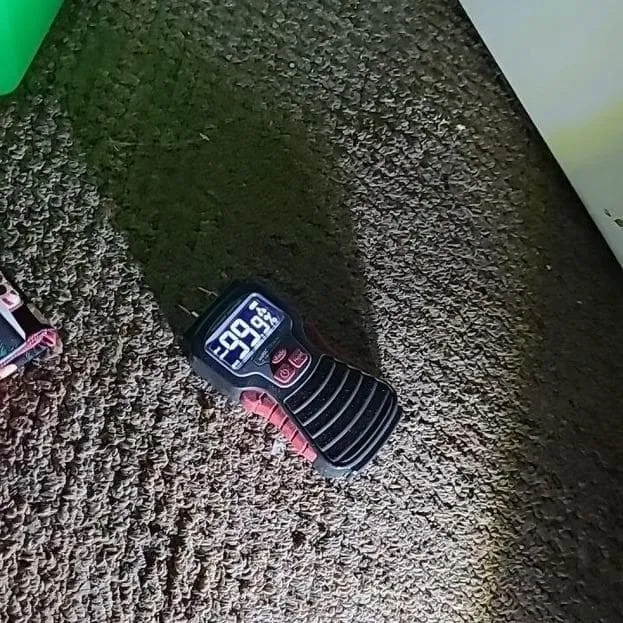
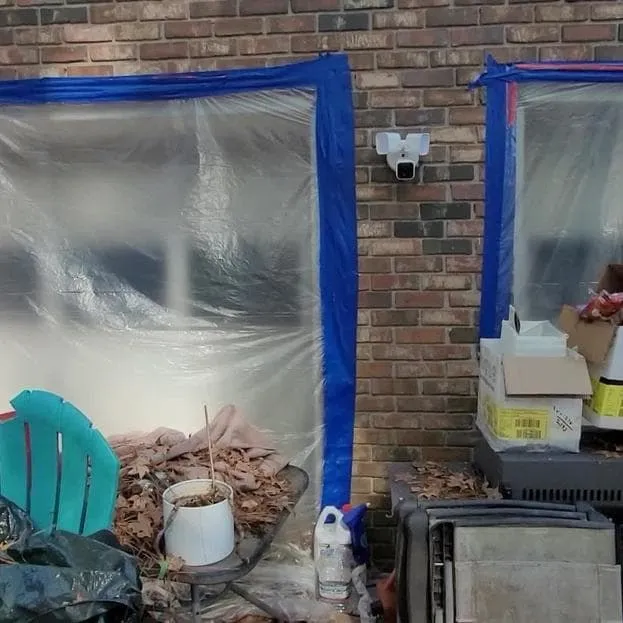
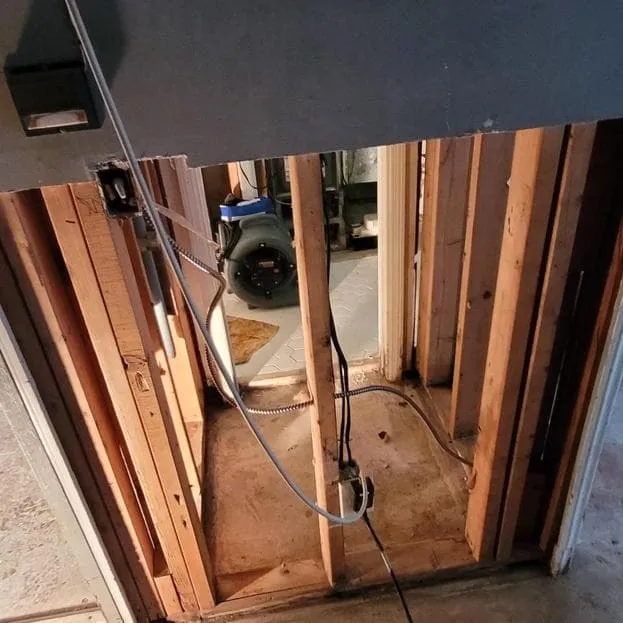
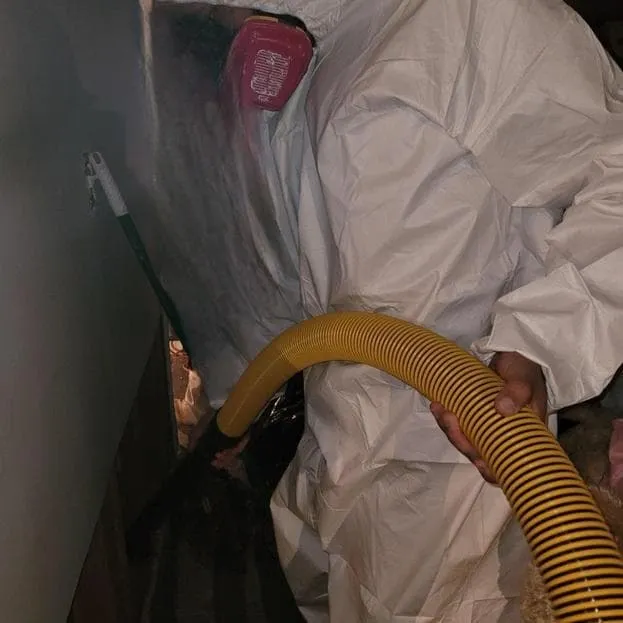
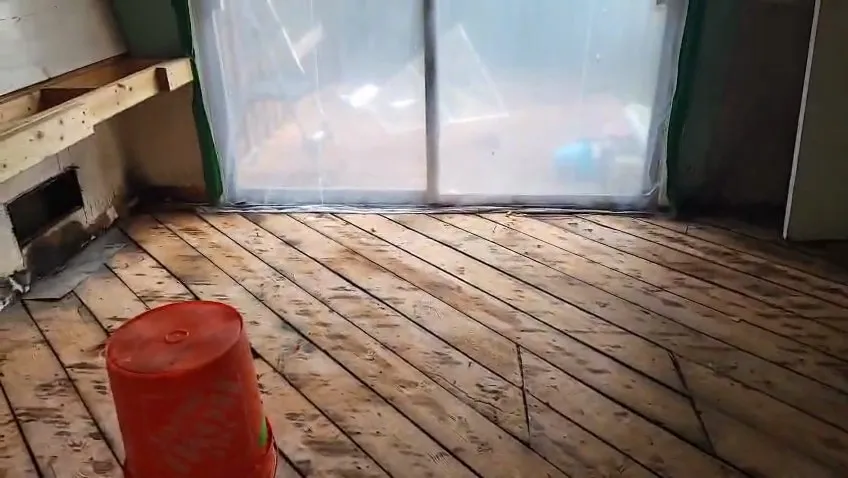
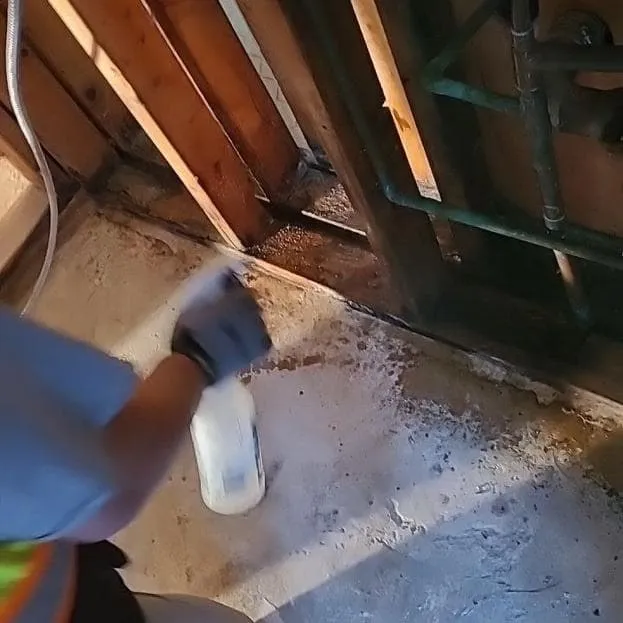
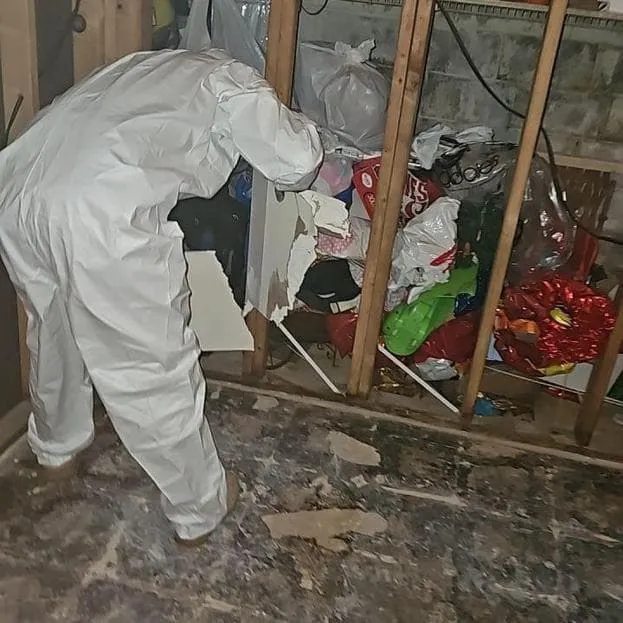
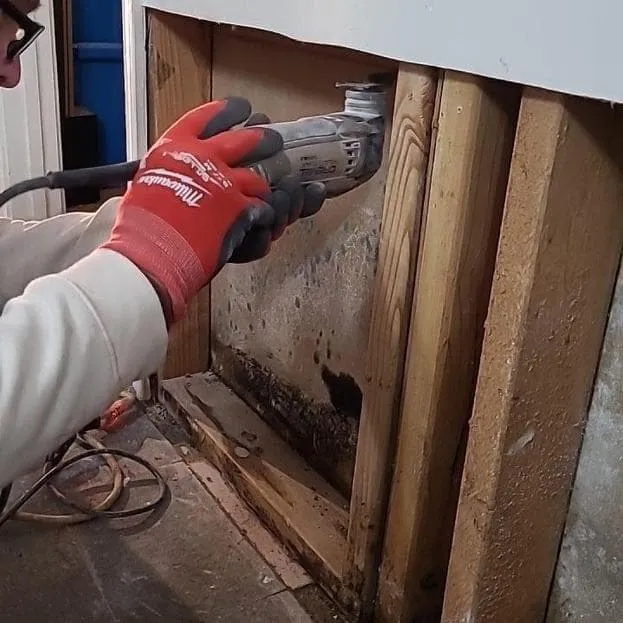
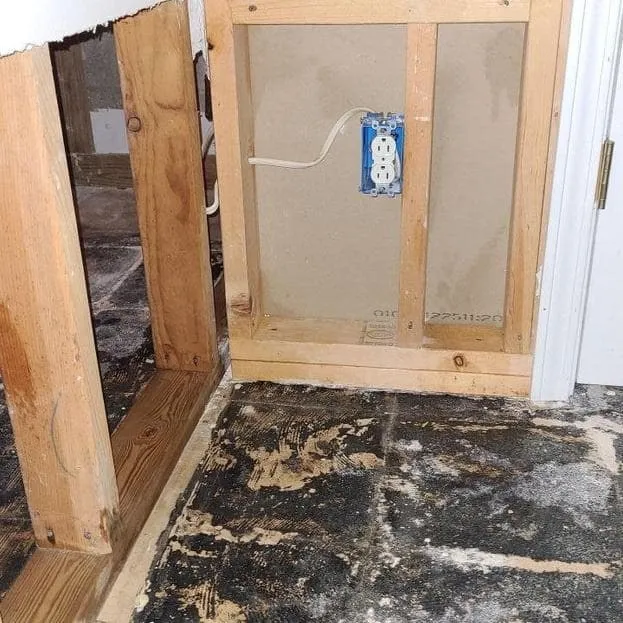
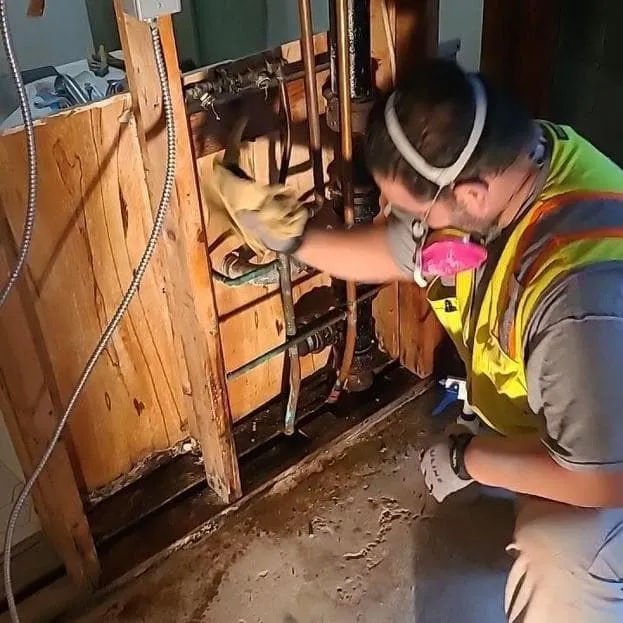
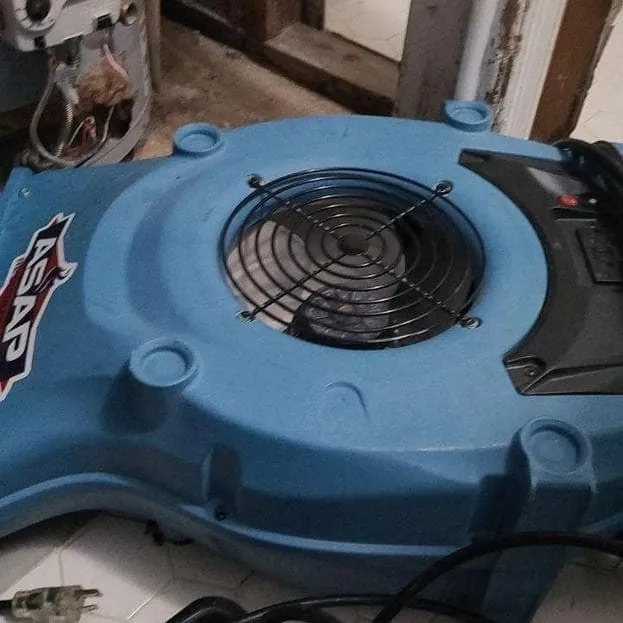
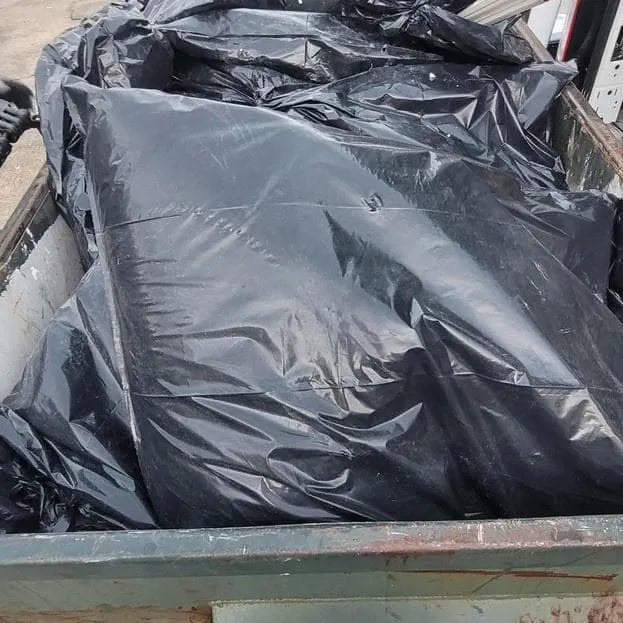
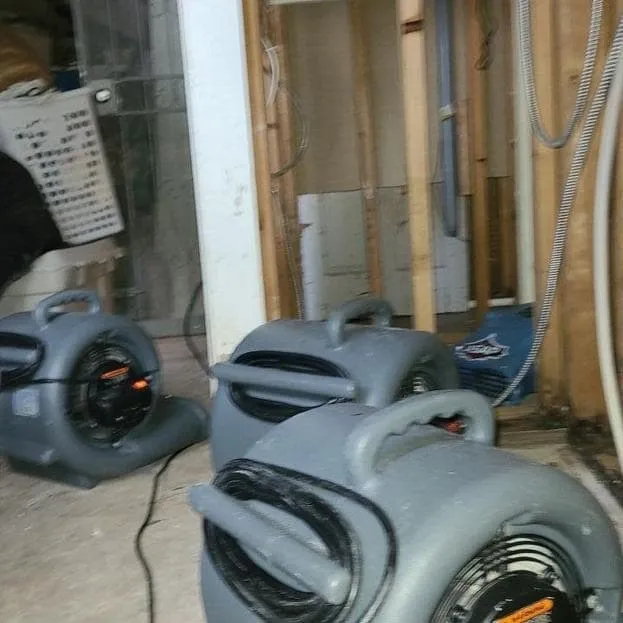
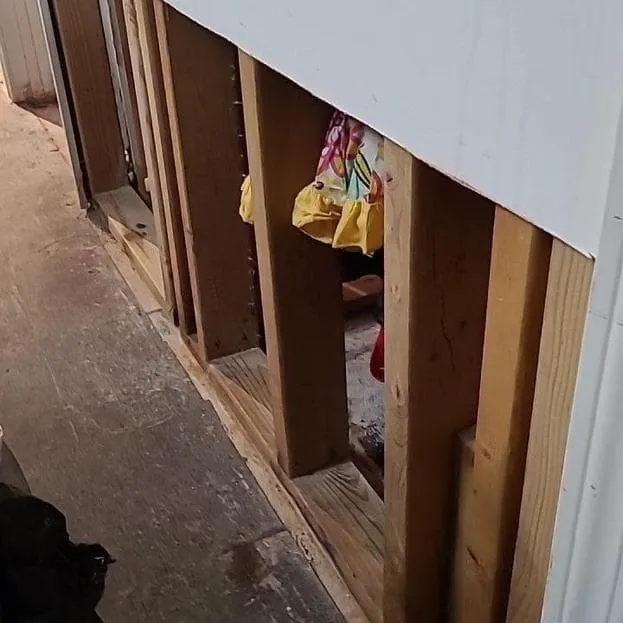
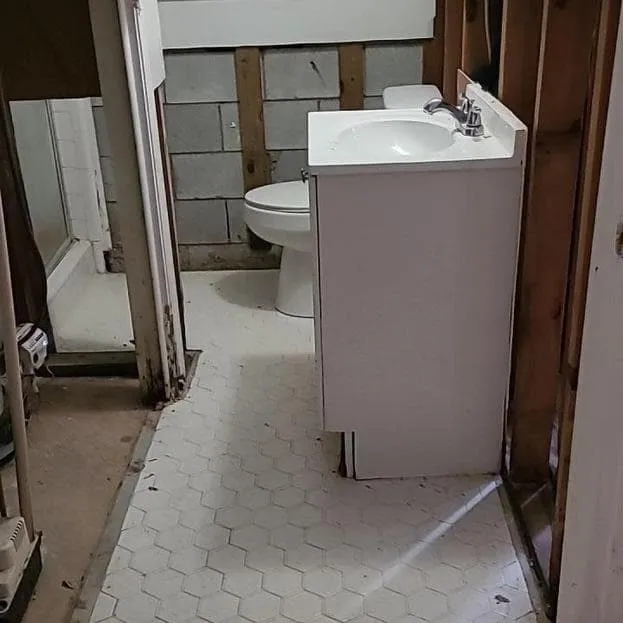
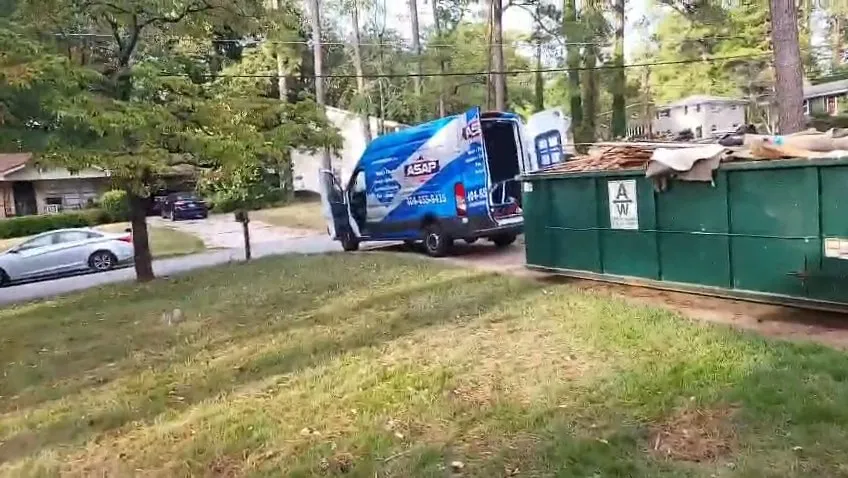
No stock photos. These are our crews on recent water, sewage and fire jobs around Atlanta.
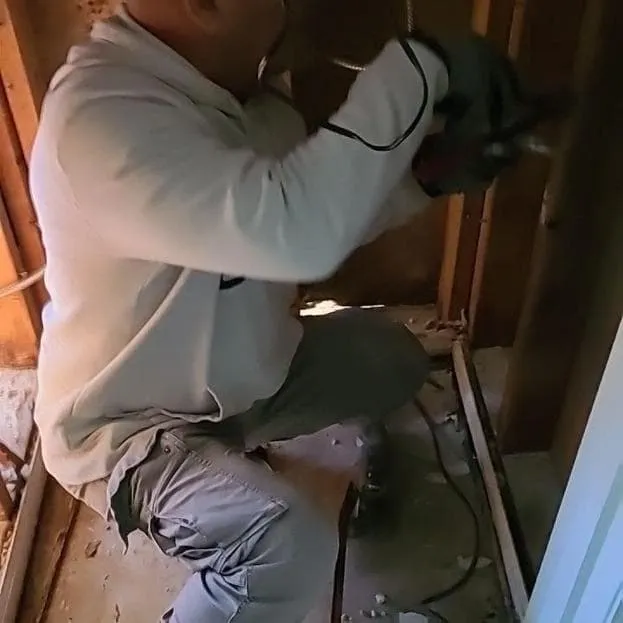
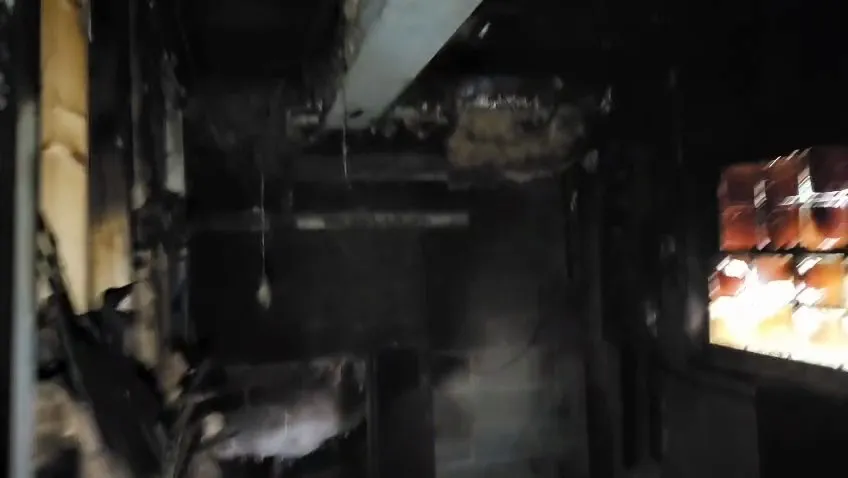
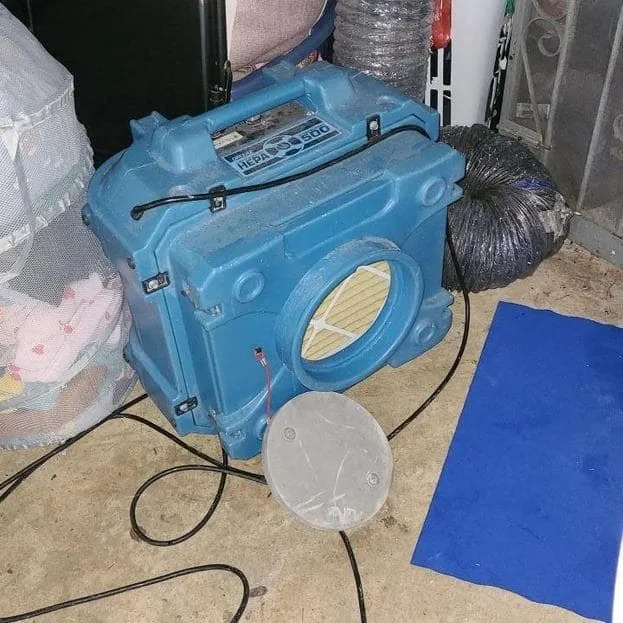
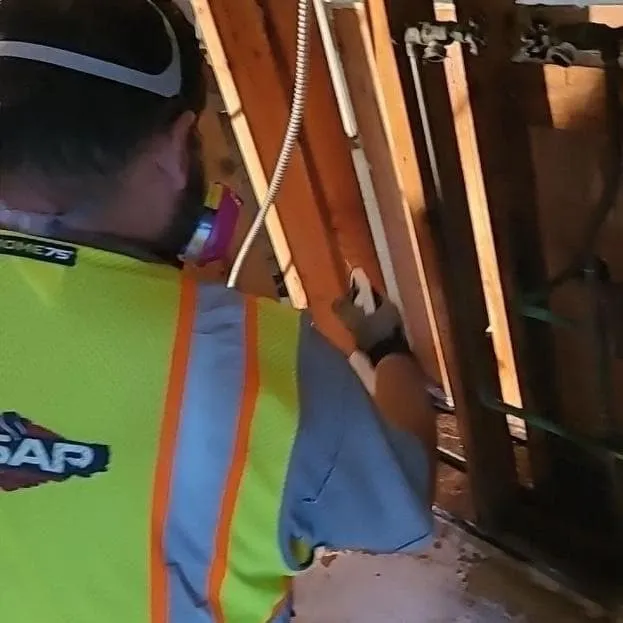
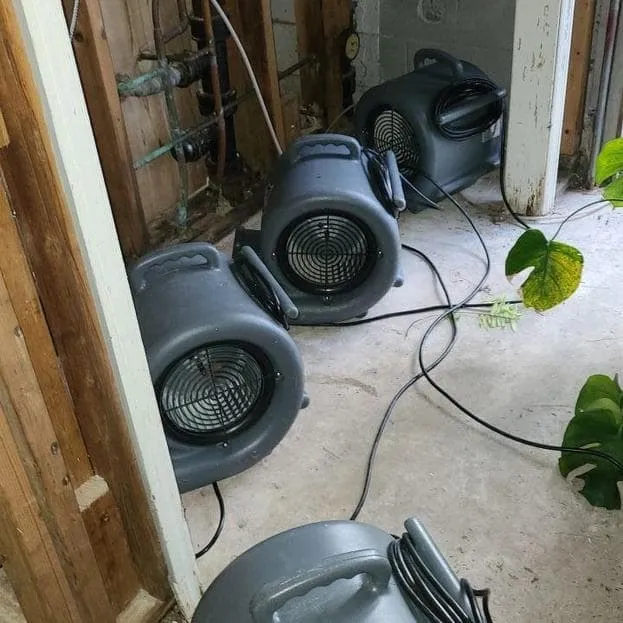
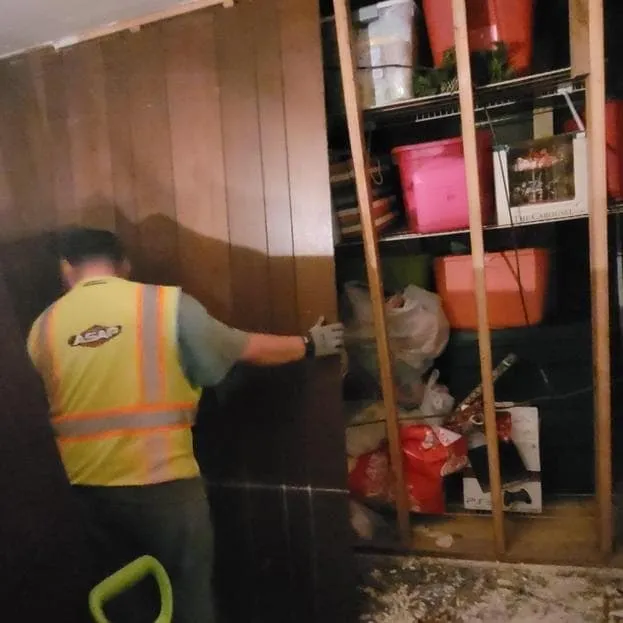
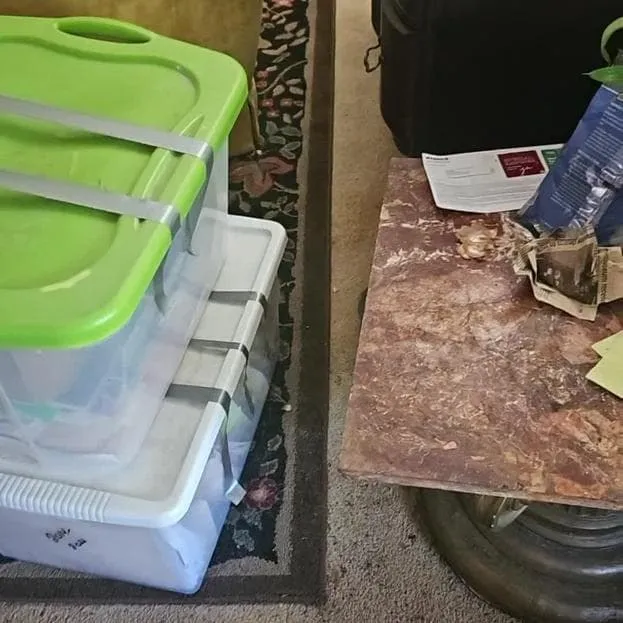
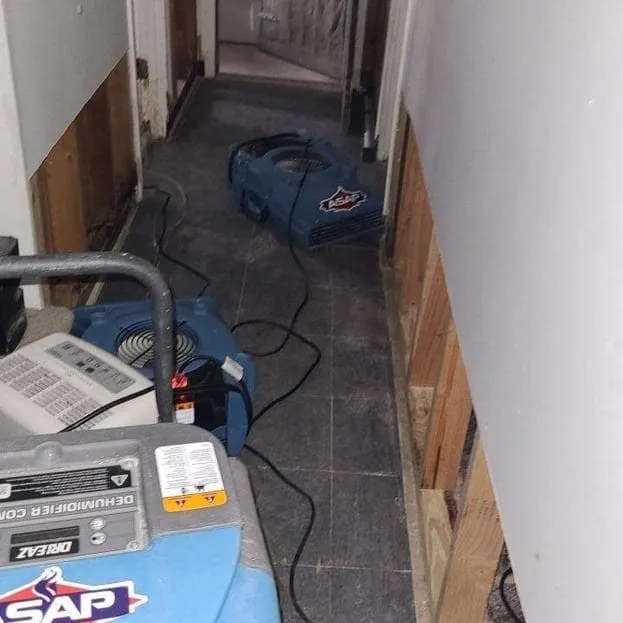
Google Reviews
“Reasonable price. Thank you Lamar for the professional good service. I recommend this company to anyone needing Restoration services.”
“Angie, Colin and the crew were absolutely AMAZING!!! I had a fire in my home and from beginning to end they helped me and…”
“Angie Givins was so helpful and nice. She helped out so much on my situation. Just cannot say enough nice things about her, she is the best.”
“A+ for responsiveness, constructive communication & professionalism.”
“Quick to respond and incredible to work with. Everyone was polite and professional from start to finish. Specific shout outs to Angie and Colin, both of whom made the process extremely easy!”
“They did a wonderful job! They stayed focus on the task at hand. Highly recommend them💗”
“I have had the pleasure of witnessing the professionalism from ASAP Restoration. The quality of the work was superb!…”
“Great service and incredibly friendly. Love Angie!!”
“I had a great experience with ASAP restoration. They worked extremely well, timely, respectfully, taking care of all. Special thank you for Colin and Rebeca always with an amazing attitude!”
“I can't recommend ASAP Restoration highly enough! After my basement flooded, they were a breath of fresh air during a…”
“Very nice. Worked very hard. I would use them again. Very friendly!”
“ASAP handles all of my items professionally and with care. They made a very stressful situation a little easier to get through. Everybody is very friendly and does their job well!!!”
“The workers came to my home and done the work very efficiently remove all debris and they were very professional. I would gladly use them again if the need arise”
“A great people who do things rightly. The service from this staff was professional and very helpful and timely.”
“The crew that I had was kind friendly and courteous. Rosie, Raphael, George and Cuilli if I ever had to pack and un pack I would request them. They are GREAT!!!”
“I highly recommend ASAP. They went over and beyond when my home flooded and they were very timely and efficient. I love…”
“Excelente trabajo, hicieron una demolición y limpieza impecable en mi casa, 100% recomendados”
“Packed, stored, and unpacked furniture during work to fix damaged floors. Handled everything carefully and were very professional.”
“I had a water heater leaking had to be replaced. This company came in removed damaged floors and faceboard. They had…”
“Asap restorations is amazing! We had a bad grease fire and they came through and cleaned EVERYTHING! They have helped our family greatly during this difficult time.”
“Angie and her team are TOP NOTCH! They were so considerate and did an amazing job. We had to pack out and pack in a…”
“As rental property manager of over 40 homes, I've used ASAP several times. Then, I unfortunately had a pipe break in my…”
“Had a very positive experience! They were prompt with their response & went over & above with their help, very friendly & super helpful. They make a bad experience a good one! Highly recommend their services!”
“ASAP is an EXCELLENT company. They were at my home within the hour to start drying out my home. They are very…”
When damage interrupts life at your Atlanta property, you need to know what happens next. ASAP Restoration is available 24/7 to discuss water, fire, mold and flood damage. Explore the services below, or call us to talk through what you’re seeing.
From a burst pipe to a leaking appliance, the work starts with finding the extent of the moisture. Water extraction, drying and moisture checks help establish what can be saved and what needs repair.
Learn More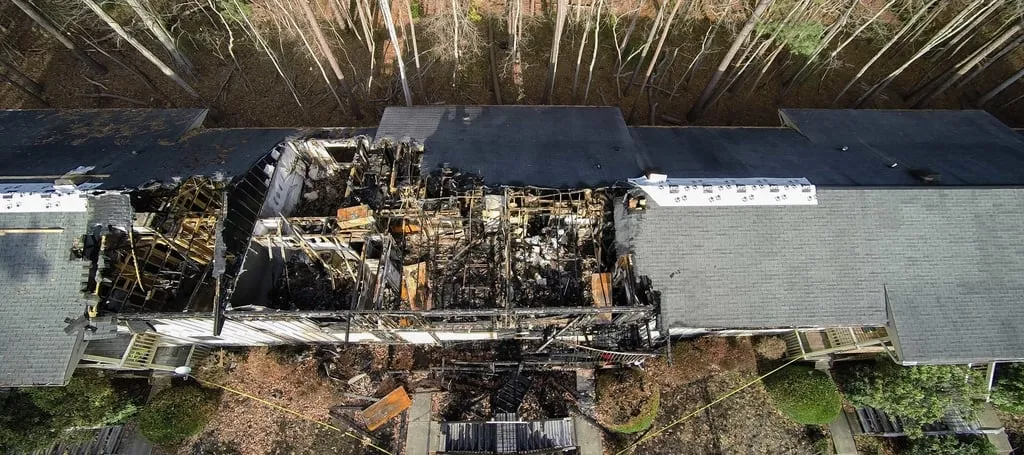
Fire damage can reach beyond the burned room. Discuss cleanup of smoke residue, affected belongings and water left by firefighting, followed by the repairs your property needs.
Learn More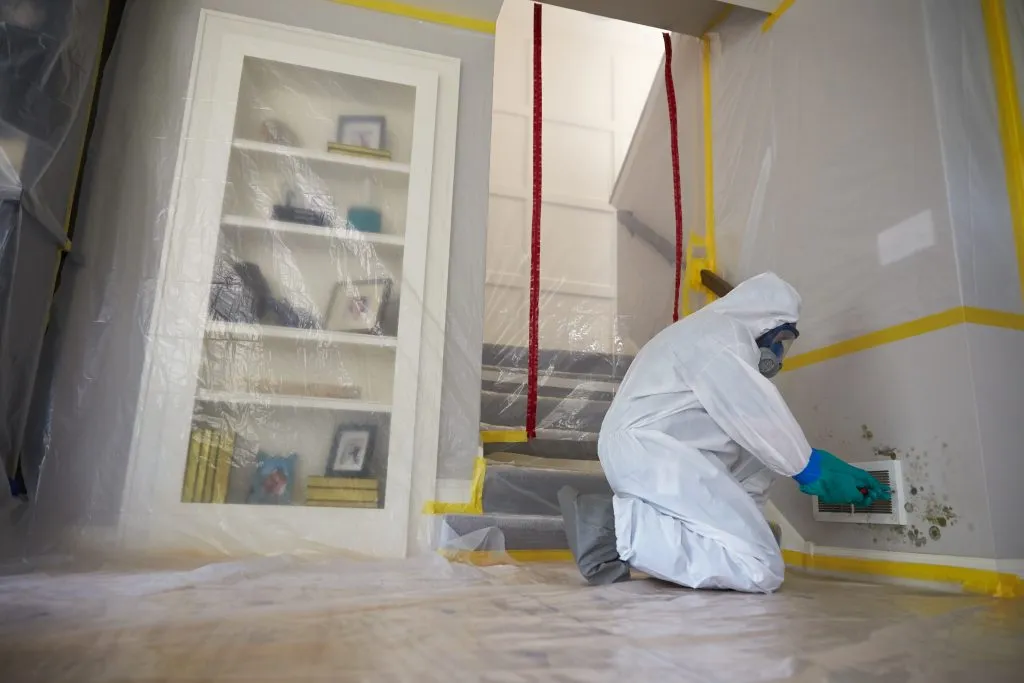
Visible growth and musty odors call for an investigation of the moisture source. Assessment, containment and removal of affected materials depend on the conditions found at your property.
Learn More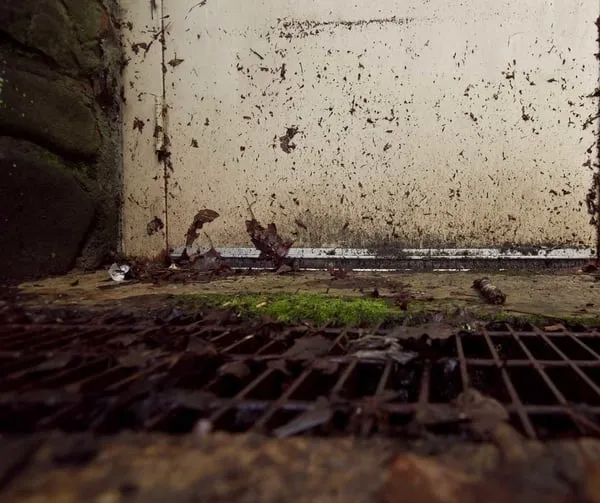
Stormwater and indoor flooding can affect floors, walls and concealed spaces. The water source and possible contamination guide removal, cleaning and drying.
Learn MoreBuilding materials, the source of the damage and occupied spaces all shape the work. We serve Atlanta from our Norcross office and plan around the affected property.
Explore local housing, weather & restoration information ↓Tell us what happened, when it started and whether water or another source is still active. Mention access concerns and affected rooms.
The inspection considers visible damage, concealed moisture and materials that need special handling before removal.
Discuss the scope, drying or cleaning needs and next steps for repairs. Keep photos and records for any insurance claim.
Local housing and weather help explain what to look for. Your property’s condition determines the work.
A pipe leak in an older Atlanta house and a leak from an upstairs condo can leave very different damage. Plaster, wood floors, insulation and shared walls need more than a surface check. ASAP Restoration helps Atlanta homeowners and businesses with water removal, drying, fire and smoke cleanup, mold remediation and repairs.
We serve Atlanta from our Norcross office at 6215 Regency Pkwy NW, Suite 975. Tell us where the water or smoke started, which rooms are affected and whether the source is still active. Those details help us plan the inspection. For an active fire or an immediate threat to life, call 911 first.
The City of Atlanta describes Queen Anne and Folk Victorian houses from the 1870s and 1880s in Grant Park, alongside later house types. That documented history is one example of why the city cannot be treated as a single type of housing. [1] A renovated older house may have newer fixtures while still retaining older walls, floors or concealed pipe runs.
Age alone does not tell us that pipes will fail or that a house needs to be replumbed. Maintenance, pipe material, previous repairs and the current condition matter. After a leak, a plumber should identify and repair the failed supply or drain. The restoration work addresses the water left in the building: checking adjacent rooms, cavities, subfloors and materials that may look dry on top.
Keep any renovation records, plumbing invoices or material-test results available. They can help separate new finishes from older layers. In a condo or apartment, notify the property manager so access to other units and shared systems can be coordinated. A leak's visible stain is not always its starting point.
NOAA lists Atlanta Hartsfield International Airport's 1991–2020 normal annual precipitation as 50.43 inches. This is a station-based climate reference, not a rainfall total for every neighborhood or a prediction of damage at a particular address. [2] It gives practical context for checking roof drainage, flashing and places where water can enter during rain.
A new ceiling stain after a storm calls for both a roof investigation and a moisture check inside. Repairing the opening does not remove water already trapped above the ceiling. Likewise, water at a basement or crawlspace needs its entry route investigated; pumping it out without addressing the cause can leave the same problem for the next rain.
Indoor water losses also happen in dry weather. Water heaters, appliance hoses, bathroom supply lines and condensate drains all deserve attention when tracking a leak. If a pipe freezes during a cold spell, have it assessed for damage before assuming normal water flow means everything is sound. Do not enter standing water near electrical equipment or try to reach a shutoff through an unsafe area.
EPA recommends drying water-damaged items and areas within 24–48 hours to help prevent mold growth. It also recommends keeping indoor relative humidity below 60%, ideally between 30% and 50%. These are prevention guidelines, not a promise that mold starts at a fixed hour or that a room is safe because a humidity meter shows one number. [3]
In Atlanta's warm-weather cooling season, inspect recurring condensation and air-conditioning leaks along with storm-related water. Musty smells or staining in a closet, crawlspace or room beside an old leak need the moisture source investigated. Painting over a spot or covering an odor leaves that question unanswered.
Our inspection looks at the affected materials and the extent of wetting before setting a drying or remediation plan. Water from a contaminated source requires different handling from a clean supply-line leak. Tell us if sewage, outdoor floodwater or an unknown source may be involved.
Opening a wet wall or lifting damaged flooring can disturb materials installed decades earlier. EPA identifies uses of asbestos in some insulation, flooring and other building products. You cannot confirm asbestos just by looking at a material, and an older construction date does not establish that it is present. Suspect materials should be assessed by a qualified asbestos professional before work that could disturb them. [4]
For an older Atlanta house, that means planning material assessment before demolition rather than treating every layer as ordinary debris. Share what you know about prior renovations. The goal is to remove damaged material where needed while avoiding needless disturbance of sound finishes. Our asbestos-removal service can be discussed when the inspection identifies that need.
The Insurance Information Institute publishes ISO data for 2019–2023 showing an average claim severity of $15,400 for water damage and freezing and $88,170 for fire and lightning. Frequencies were 1.50 and 0.23 claims per 100 house-years, respectively; a house-year is one dwelling covered for one year. [5]
These are broad U.S. sample figures, not Atlanta or Georgia claim averages. The dataset excludes Alaska, Texas, Puerto Rico, renters and condominium-owner policies. The amounts are insurance-loss measures, not restoration prices or estimates of what your insurer will pay. We have not used them to calculate a neighborhood's chance of damage.
The useful takeaway is that a less frequent loss can still involve extensive work. After a fire, the inspection may need to address smoke residue and odor beyond the burned room, plus water left from firefighting. Stay out until authorities permit re-entry. Keep photos, an inventory of affected belongings and repair records to share with your insurer; coverage depends on your policy and the cause of loss.
Tell us your Atlanta address, the type of damage, when you first noticed it and any access concerns. We can discuss an inspection and the next steps for cleanup and restoration. A drying plan may include water extraction, dehumidification, moisture checks and selective removal of damaged materials. Fire work may also involve contents cleaning and odor treatment.
For occupied homes and businesses, let us know which rooms must remain accessible and whether a landlord, manager or association needs to coordinate entry. We will discuss the work required for the affected property instead of assuming that two buildings in the same neighborhood need the same plan.
Census QuickFacts reports the following 2020–2024 American Community Survey estimates. Owner-occupied households are a useful measure of households living in homes they own; they are not a count of individual owners, insured properties or claims.
| Geography and source | Households | Owner-occupied share | Approximate owner-occupied households |
|---|---|---|---|
| Atlanta city | 236,468 | 46.4% | About 109,720 |
| Decatur city | 9,557 | 63.9% | About 6,110 |
| Sandy Springs city | 51,647 | 50.2% | About 25,930 |
| Druid Hills census-designated place | 3,599 | 57.6% | About 2,070 |
| Scottdale census-designated place | 3,805 | 51.5% | About 1,960 |
The last column is our calculation: households × published ownership rate, rounded to the nearest ten. It is approximate because the rate is rounded and ACS figures are survey estimates. These are five-year period estimates, not five years of separate homeowners added together.
The Druid Hills figure covers the Census-designated place, not the entire historic district or every place commonly called Druid Hills. Buckhead, Midtown, Edgewood, Piedmont Heights and Oakhurst do not have separate counts in this QuickFacts comparison. We do not substitute an entire city or ZIP code as their neighborhood homeowner count.
The NAIC 2023 homeowners report, Table 4 puts Georgia’s average annual HO-3 premium at $1,828. This is a historical statewide average for that policy form, not a current Atlanta quote. HO-3 is a common owner-occupied homeowners policy; it does not represent every type of property insurance.
For a closer geographic view, Treasury’s published data provides the following 2022 ZIP-level figures. Each row covers participating insurers and the named postal ZIP, which can cross city and neighborhood boundaries. These ZIPs are examples from the service region, not a complete definition of each service area.
| ZIP code | Premium per policy | Paid claims per 100 year-end policies | Average paid loss per paid claim |
|---|---|---|---|
| 30030 | $1,994 | 4.74 | $17,463 |
| 30079 | $1,392 | 4.75 | $14,126 |
| 30305 | $4,405 | 8.02 | $20,193 |
| 30307 | $2,488 | 4.85 | $21,306 |
| 30309 | $3,838 | 5.91 | $25,938 |
| 30317 | $1,791 | 6.11 | $18,852 |
| 30324 | $2,393 | 5.56 | $14,034 |
| 30328 | $2,933 | 10.10 | $17,471 |
Source: U.S. Treasury FIO supporting metrics workbook, 2022 rows; dollar amounts rounded to the nearest dollar and frequencies to two decimals. Premium per policy is written premium divided by year-end policies. Claim severity is paid losses divided by paid claims. The public figures cover selected HO-3/HO-5 business, not all insurers, condo or renter policies, or separate flood insurance. Treasury cautions that individual ZIP rows were not separately validated and can contain anomalies. Treat them as historical context, not a quote or a ranking of neighborhood risk.
The Treasury public file reports claim frequency, not the actual number of claims or policies in each ZIP. Its policy-volume field is a decile group rather than an exact count. For example, the 30328 row reports about 10.10 paid claims per 100 year-end policies in 2022. That does not mean 10.10% of homeowners filed claims: claims and households are different units, and a property can have more than one claim.
We cannot calculate an observed local claim total by multiplying that rate by Census homeowners. The sources cover different years, boundaries and insurance populations. The Treasury rows also do not separate water losses from fire losses. An exact statement such as “Atlanta homeowners received this many water-damage claims” needs a separately verified local dataset.
For a claim at your property, keep a timeline, photos and a list of damaged items. Your insurer determines coverage under your policy; the restoration assessment documents the actual damage and work needed. Neither a premium average nor an average paid loss sets the price of your repairs.
No. The age of the house is a reason to review its plumbing history, not a diagnosis. A plumber can assess the pipe condition and required repairs. Restoration addresses the water damage left behind.
Yes. Insulation, ceiling materials and concealed spaces can remain wet after the visible drip ends. The entry point needs repair and the affected area needs a moisture assessment.
The water/freezing and fire/lightning claim averages are 2019–2023 ISO statistics for a broad U.S. sample. The separate Treasury table reports 2022 paid-claim rates for the ZIP codes shown, across covered causes of loss. ZIP codes do not match neighborhood boundaries, and neither source provides exact Atlanta neighborhood water or fire claim totals.
Our office is in Norcross at 6215 Regency Pkwy NW, Suite 975, Norcross, GA 30071. Atlanta is part of our service area.
For water, fire, smoke or mold damage, call to discuss the property and arrange the next step.
Research reviewed September 20, 2026. Housing history and climate data provide context; building-specific risks require an inspection.
Find local housing, weather and restoration information for your community.