
Which freeze are you getting ready for?
A 29°F night and a 15°F night are different problems. Knowing which one is coming tells you how much to do.
| Overnight low | What's at risk | What to do |
|---|---|---|
| 28°F to 32°F | Hoses left on the spigot, uncovered spigots, sprinkler lines, backflow preventers | Disconnect hoses, cover spigots, shut down and drain irrigation |
| 20°F and below | Pipes in attics, crawl spaces, garages, rooms over garages, and exterior kitchen and bath walls | Everything above, plus open cabinets, drip faucets, close the garage, hold the heat steady |
| Teens or colder, or more than one day below freezing | Interior supply lines, fire sprinkler lines in condos and apartments, outdoor tankless water heaters | Everything above. Don't leave the house unheated. If you're traveling, shut off the main |
Why 20°F and not 32°F? Attics and wall cavities stay a few degrees warmer than the air outside, so indoor pipes have a margin. That margin runs out around 20°F. It runs out sooner when wind blows through crawl space vents or gaps in the siding.
One more thing. The National Weather Service's Freeze Warnings are tied to the growing season, so they stop after the first hard freeze each fall. In January, nobody sends you an alert before a 14°F night. You have to watch the overnight low yourself.
Before the freeze: outside the house
Do these any time the forecast shows 32°F or lower.
- Disconnect, drain and store every garden hose. A hose left on the spigot traps water in the faucet body, right inside your wall. That's where it splits.
- Cover each outdoor spigot with an insulated cover, snug against the siding. If a spigot has its own shutoff valve inside, close it and open the outside handle to drain the line.
- Shut down the sprinkler system. Turn off the controller and the irrigation shutoff valve, drain the lines, and wrap the backflow preventer if it sits above ground.
- Close the crawl space vents and the garage door. Seal gaps where pipes and wires pass through the outside wall with caulk or spray foam.
Before the freeze: inside, attic and crawl space
These matter most once the forecast drops toward 20°F.
- Find your main water shutoff now, in daylight. Look where the water line enters the house: the basement, crawl space, garage wall, water heater closet, or near the front spigot. Turn it to make sure it moves, then hang a tag on it. Some older Atlanta homes have no indoor shutoff. If that's yours, find the meter box at the street and save your utility's 24/7 number from the table below.
- Insulate exposed pipes in the attic, crawl space and garage with foam pipe sleeves. If you use heat cable, buy a UL-listed one with a built-in thermostat and follow its instructions exactly.
- Open the sink cabinet doors in the kitchen, bathrooms and laundry so room heat reaches the pipes on exterior walls. Move cleaners out of reach of kids and pets first.
- Leave faucets on a slow, steady drip overnight. Start with faucets on exterior walls and the one farthest from where water enters the house. Sinks and tubs both count.
- Keep the heat steady. Don't set the thermostat back at night during a hard freeze.
- Have a tankless water heater in the attic, garage or on an outside wall? Keep it plugged in. Its built-in freeze protection only works while the power is on. Insulate the drain line outside, and check the manual for what to do in an outage.
Leaving town for Thanksgiving or the holidays
Frozen pipes do the most damage in empty houses, because nobody is there to hear the water running.
- Set the thermostat to 65°F, and never below 55°F. Do not turn the heat off.
- Open the sink cabinets before you go.
- For a longer trip, shut off the main water valve, then open a faucet upstairs and one downstairs for a moment to release the pressure.
- If you shut off the water, set a gas water heater to vacation mode, or switch off the breaker on an electric one.
- Ask a neighbor to walk through the house after the coldest morning.
There's an insurance reason too. Many homeowners policies exclude freeze damage in an unoccupied home unless you took reasonable care to keep the heat on, or shut off the water and drained the lines. Adjusters can ask for utility bills and thermostat history for the dates in question. If the power went out while your thermostat was set properly, save the outage texts or screenshots. Our guide to what homeowners insurance covers after water damage goes deeper.
Where Atlanta homes freeze first
Houses up north keep their plumbing in heated basements. Ours mostly don't. The weak spot depends on when your home was built.
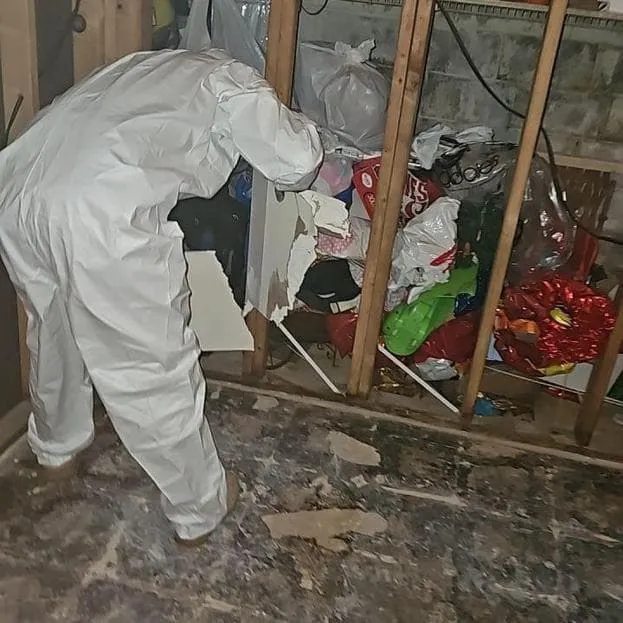
- Older intown bungalows and ranches (Grant Park, Virginia-Highland, Oakhurst, Decatur, West End). Vented crawl spaces let cold wind blow straight across the supply lines. If the home was built in 1978 or earlier, we test building materials for asbestos before any wet drywall or ceiling gets cut out.
- 1980s and 1990s subdivisions (much of Gwinnett, Cobb and North Fulton). Many have gray polybutylene supply pipe, which turns brittle with age. Lines in two-story attics, garages and bonus rooms over garages fail first.
- Newer homes and townhomes. PEX tubing is more forgiving, but its fittings and the copper stub-outs behind spigots still split. Tankless water heaters mounted outside or in the attic are the other weak point.
- Condos and apartments (Midtown, Atlantic Station, Buckhead). Fire sprinkler lines in ceilings, parking decks and breezeways can freeze, and one unheated or vacant unit can flood the neighbors on both sides and every floor below. We handle sprinkler water cleanup too.
Georgia doesn't get many hard freezes, but they're expensive when they come. State Farm reported paying about $100 million in frozen pipe claims in Georgia in a single year, more than in any other state. A crack just an eighth of an inch long can release more than 250 gallons of water a day.
The morning after: check for a frozen or split pipe
If nothing is flooding at 9 a.m., you aren't in the clear yet. A pipe usually splits while it's frozen, and the ice plugs the hole. The water shows up between late morning and late afternoon, when it warms up and the ice melts. That's often while you're at work.
- Test every faucet first thing. Run hot and cold at each sink, tub and shower, and flush the toilets. No water, or only a trickle, means ice has blocked that line.
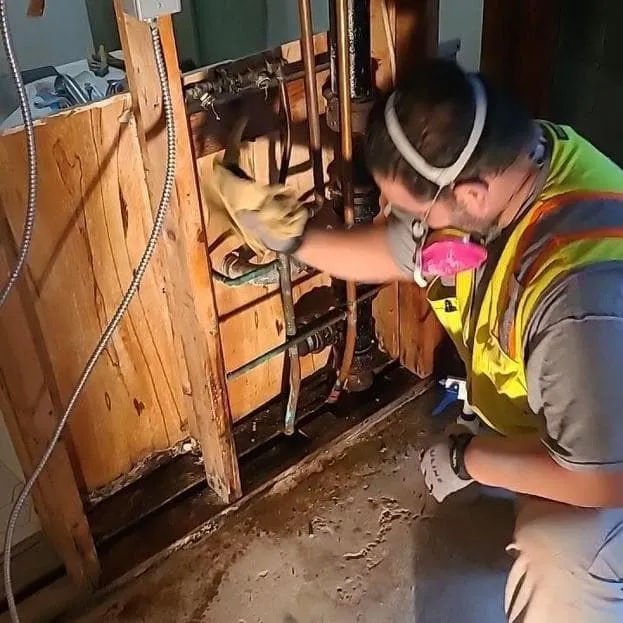
- If the frozen pipe is hidden in a wall, ceiling, attic or tight crawl space, shut off the main water valve first. Then open the affected faucet and let the house warm up. If that pipe has already split, you'll lose a cup of water when it thaws, not hundreds of gallons.
- If you can see the whole pipe, leave the faucet open and warm the pipe with a hair dryer or towels soaked in hot water. Start at the faucet end and work back toward the frozen spot. Never use a torch, a kerosene heater or any open flame.
- Walk the house once it warms up. Look for:
- Stains, bubbling paint or drips on ceilings, especially around light fixtures and smoke detectors under a bathroom or the attic
- Drips from the garage ceiling under a bonus room or bathroom
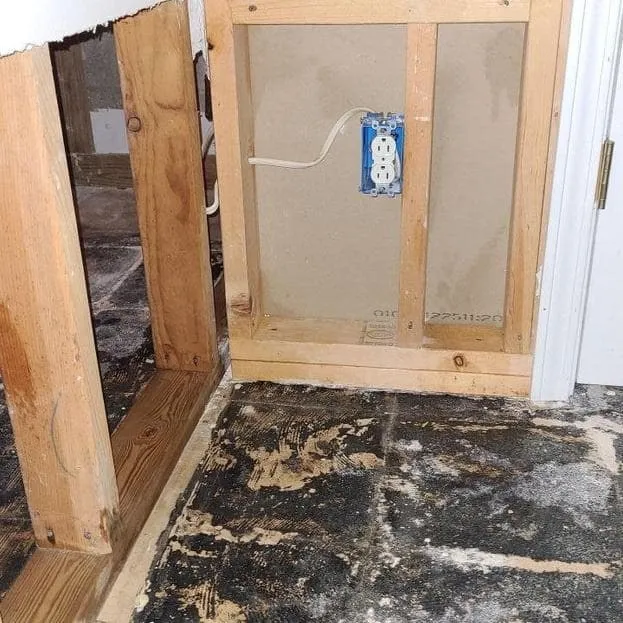
- Squishy carpet, lifted flooring seams or wet baseboards along exterior walls
- A hissing or spraying sound in the wall behind an outdoor spigot
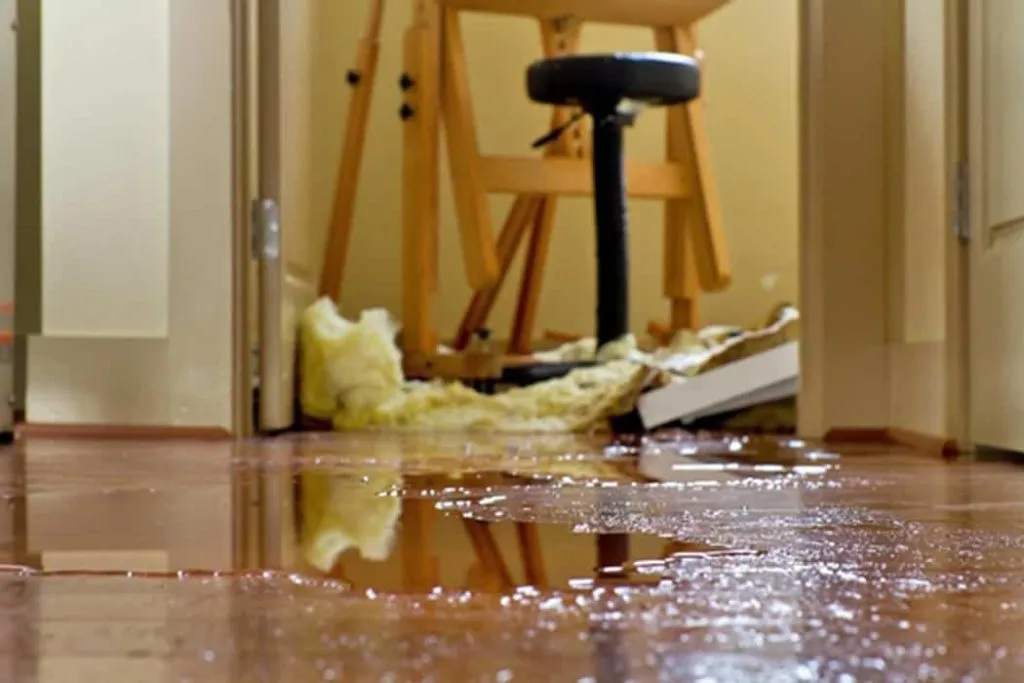
- Puddles or dripping insulation in the crawl space and the water heater closet
- Run the two-minute meter test. Turn off every faucet and water-using appliance in the house. Then look at the water meter by the street. If the small leak indicator on the dial is still spinning, water is going somewhere it shouldn't.
Found a stain or a sagging spot overhead? Here's what to know about ceiling water damage.
If a pipe breaks: five steps, in order
- Shut off the main water valve. If you can't find it or it won't turn, call your water utility's 24/7 line below and ask for an emergency shutoff at the meter. Don't call 911 unless there's a fire, a gas smell or someone is in danger.
- Stay away from wet electrical. Don't step into standing water near outlets, appliances or the breaker panel. Only switch breakers off if you can reach the panel from a dry spot.
- Open the lowest faucet in the house. With the main off, this drains what's left in the pipes into a sink, not through your ceiling.
- Take photos and video before you move anything. Get wide shots and close-ups of ceilings, walls, floors and belongings. Ask your plumber to leave you the broken piece of pipe. Your adjuster may want to see it.
- Call us and your plumber the same day. We answer 24/7 at (404) 655-9415.
Metro Atlanta 24/7 water shutoff numbers
Save the one for your address. These are the utilities' own emergency lines.
| Where you live | Who to call | 24/7 number |
|---|---|---|
| City of Atlanta | Watershed Management, through ATL311 | 404-546-0311, or 311 inside the city |
| Gwinnett County (Norcross, Peachtree Corners, Duluth, Lilburn) | Department of Water Resources dispatch | 678-376-7000 |
| DeKalb County (Decatur, Tucker, Brookhaven, Dunwoody) | Watershed Management emergency line | 770-270-6243 |
| Cobb County (Vinings, East Cobb, Kennesaw, Mableton) | Cobb County Water System emergency dispatch | 770-419-6201 |
| North Fulton, north of the Chattahoochee (Alpharetta, Johns Creek, Milton) | Fulton County water emergencies | 770-640-3040 |
| Power out anywhere in metro Atlanta | Georgia Power outage line | 888-891-0938 |
Some cities run their own water system, including Marietta, Smyrna, Lawrenceville, Buford and part of Roswell. Sandy Springs is on City of Atlanta water. Not sure which one is yours? Use the emergency number printed on your water bill.
Why to call a water damage company the same day as the plumber
The plumber fixes the pipe. That's usually a few inches of it. The water that came out is a separate job, and plumbers don't do it.
During a metro-wide freeze, plumbers can be booked for days. Wet drywall, insulation and carpet pad can't wait that long. Mold can start in 24 to 48 hours. Your policy also expects you to stop the damage from getting worse, so don't hold off for the adjuster either.
Once the water is shut off, we can start, even before the pipe is repaired. Here's what that looks like:
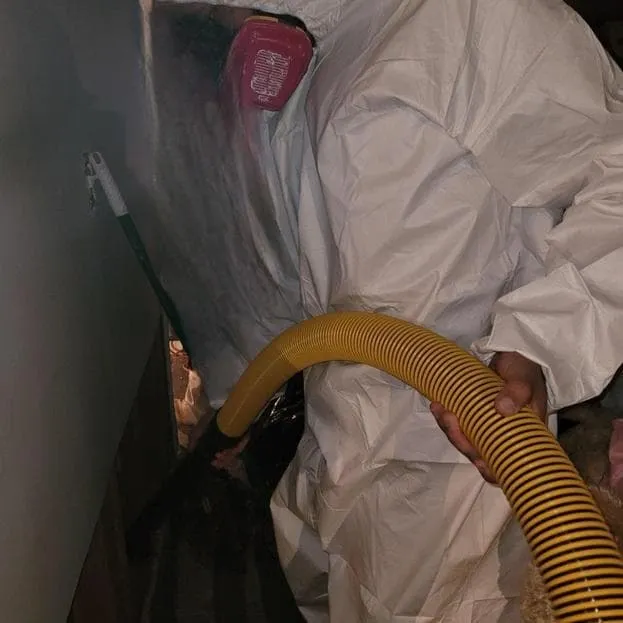
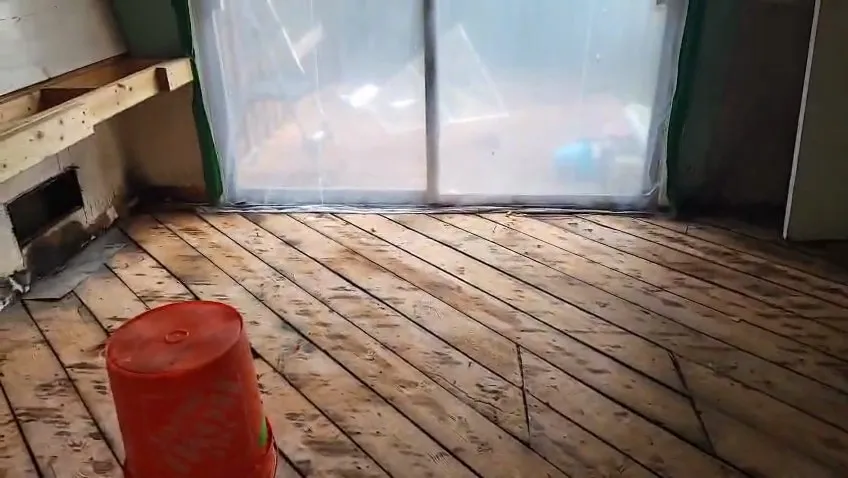
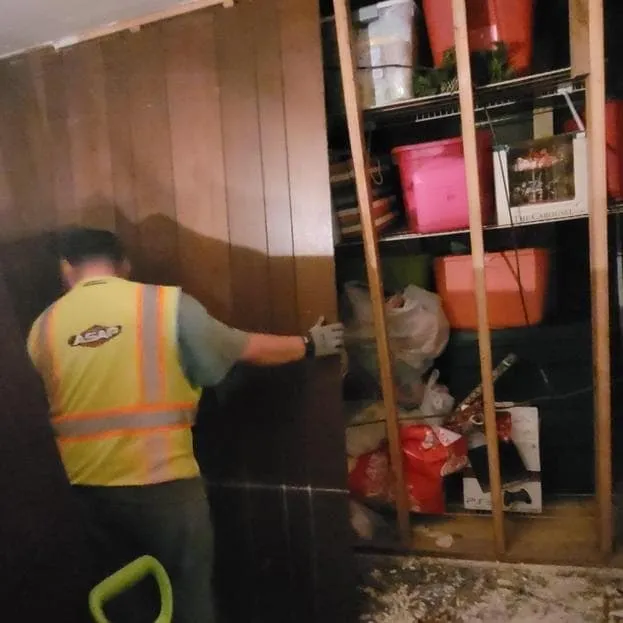
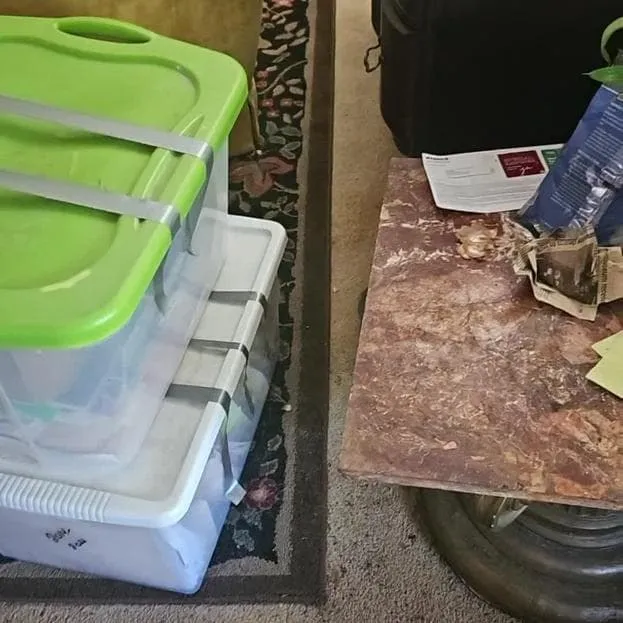
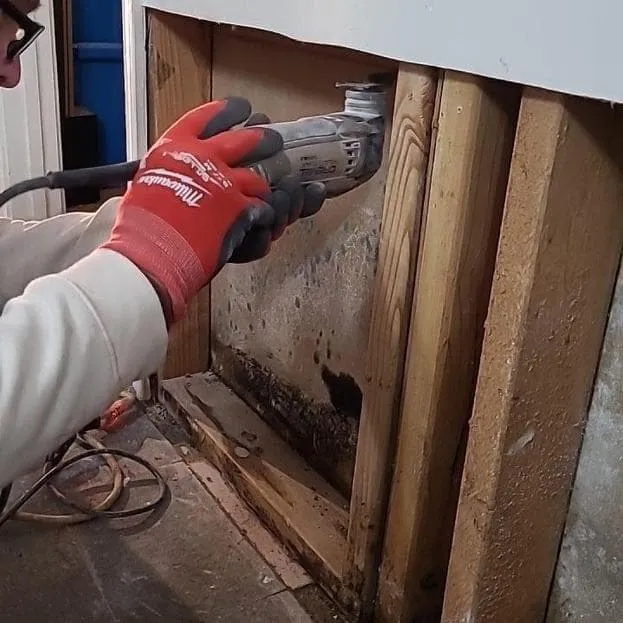
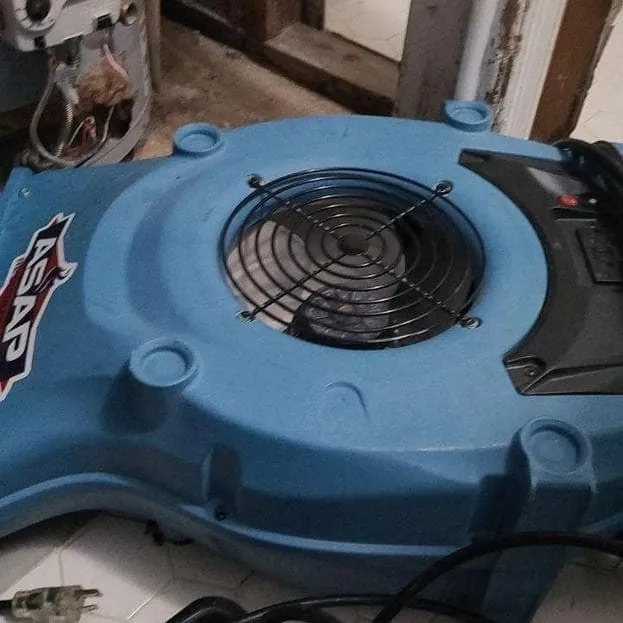
- We remove the standing water and pull soaked carpet pad.
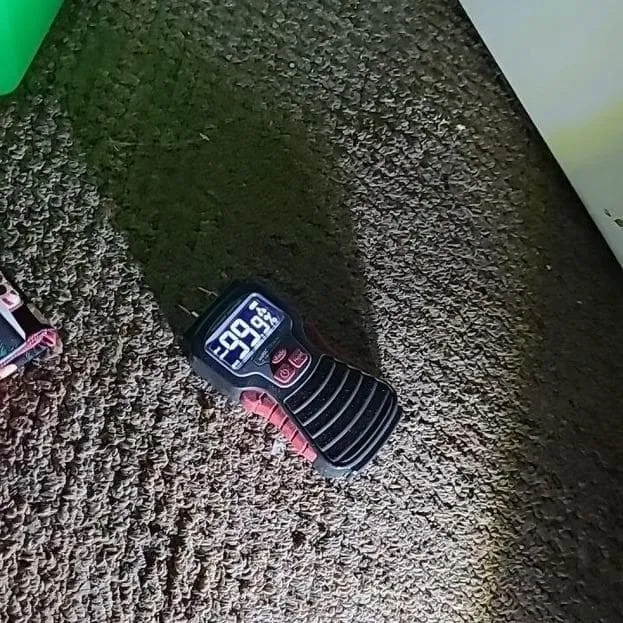
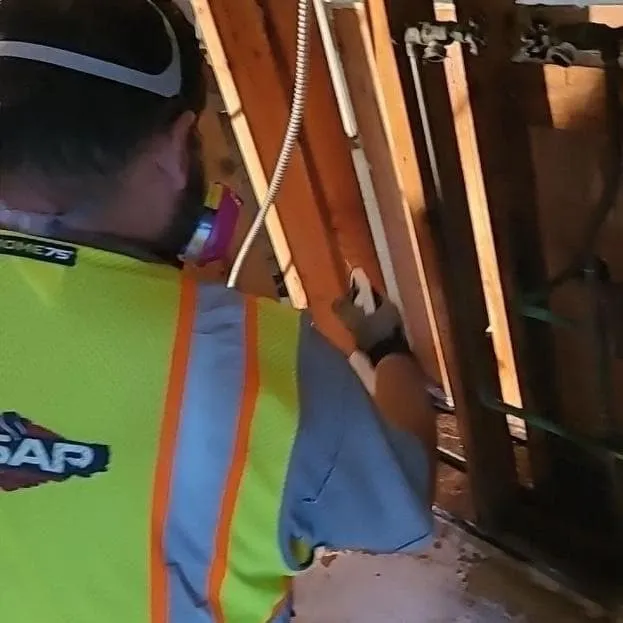
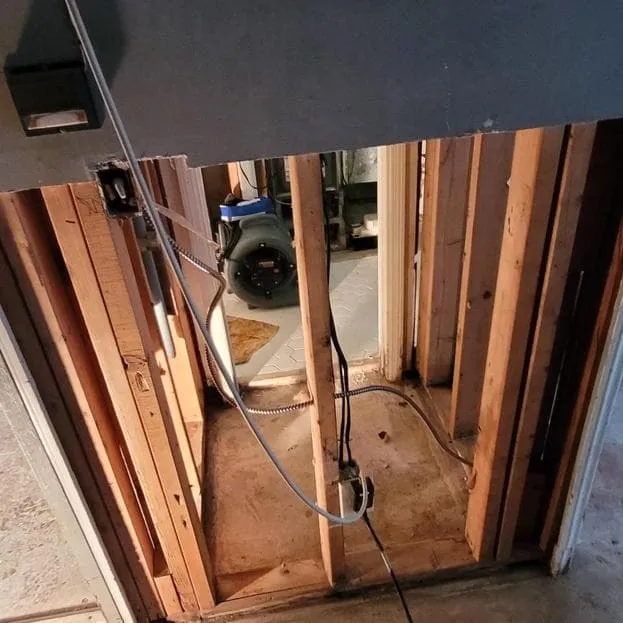
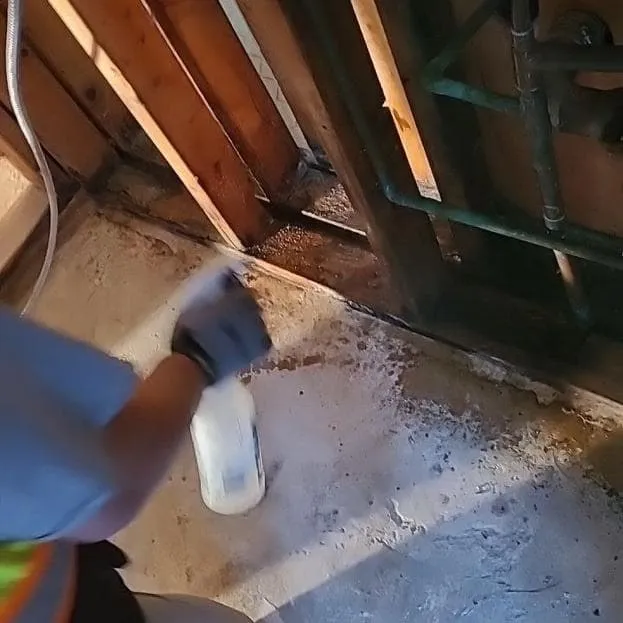
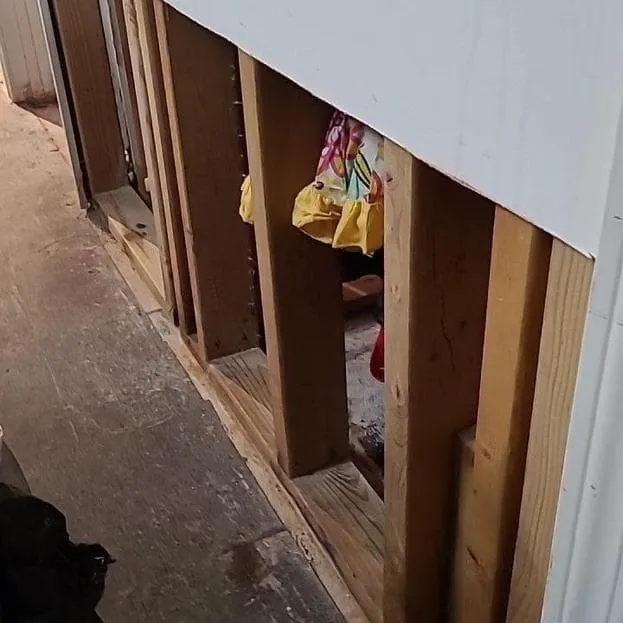
- We check walls, ceilings and subfloors with a thermal camera and moisture meters, and show you where the water went.
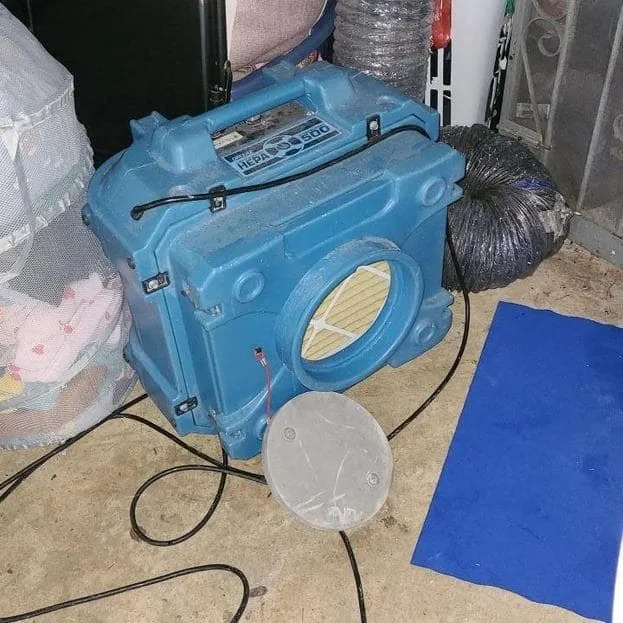
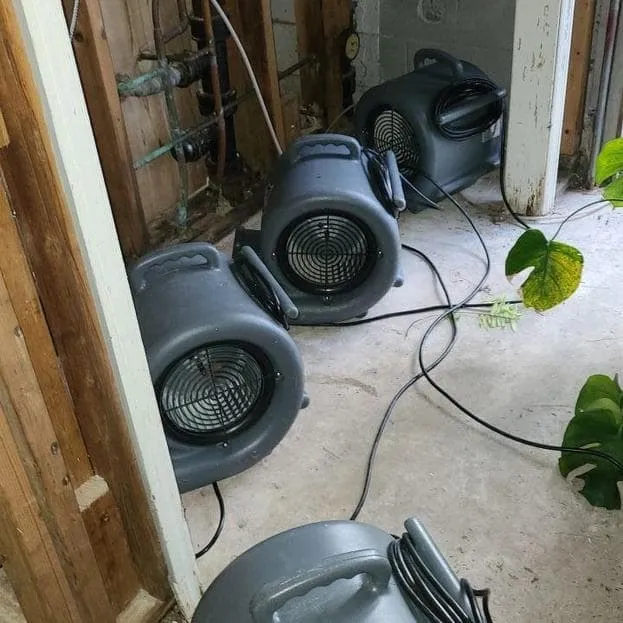
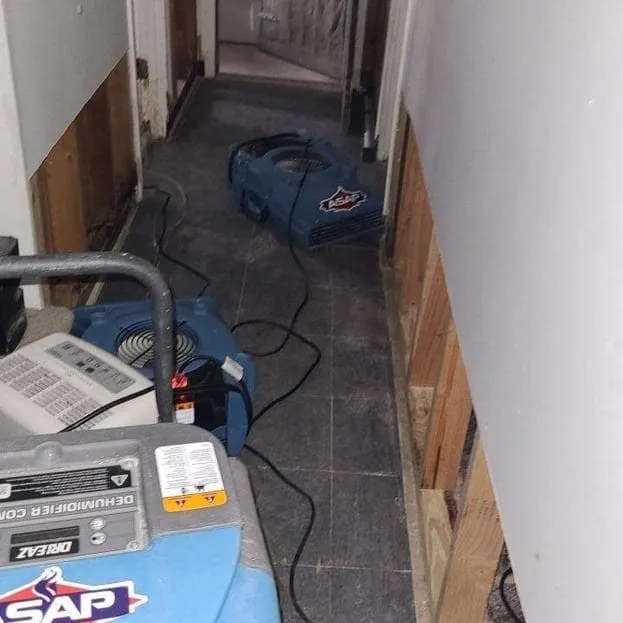
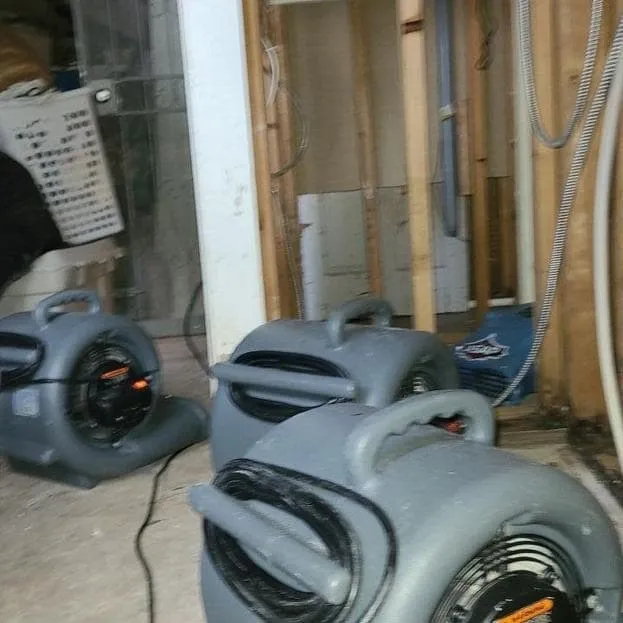
- We set drying equipment and take readings every visit until the structure is dry.
- You get a free written estimate in Xactimate, the format adjusters use, before work starts. We bill your insurer directly.
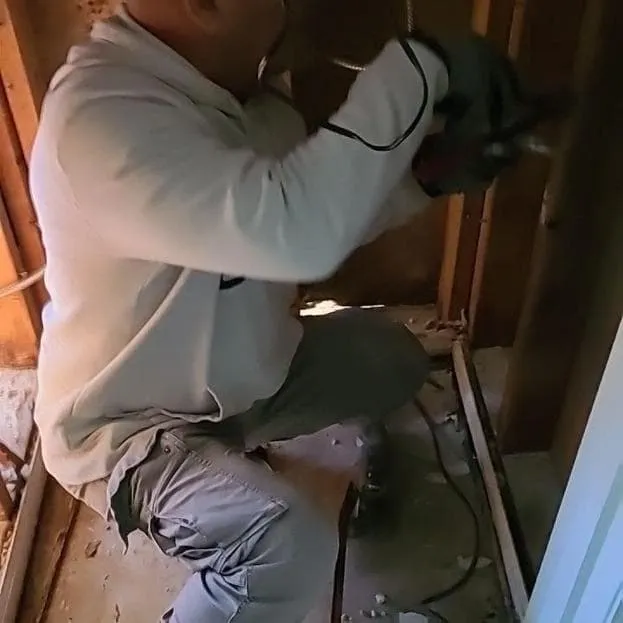
- We do the repairs ourselves: drywall, flooring, cabinets, trim and paint.
We can't promise what your insurer will pay. We'll document everything they ask for. Read more about our burst and frozen pipe cleanup, or call (404) 655-9415 any time.