
The claim, start to finish
- Stop the water and stay safe. Shut off the main. Stay clear of wet outlets and the panel.
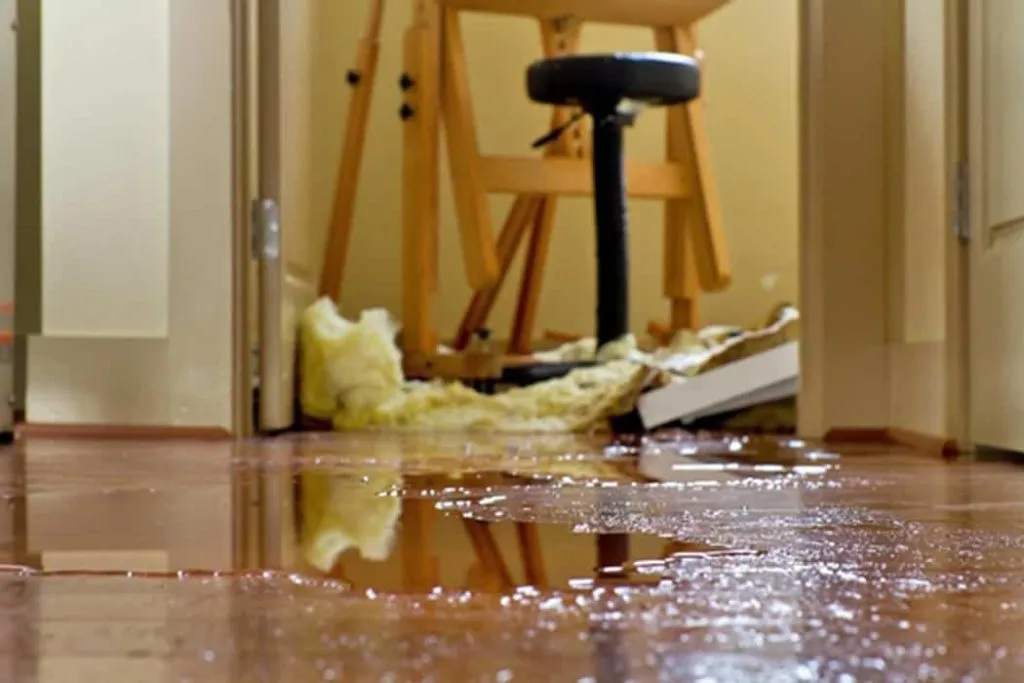
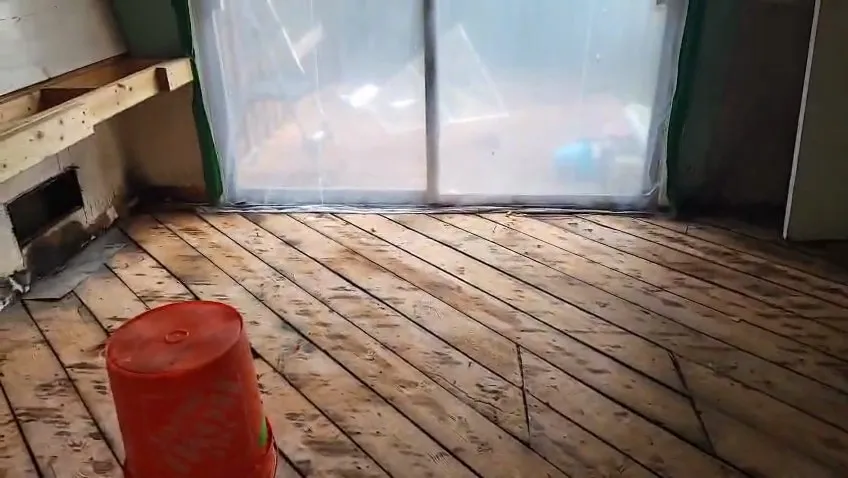
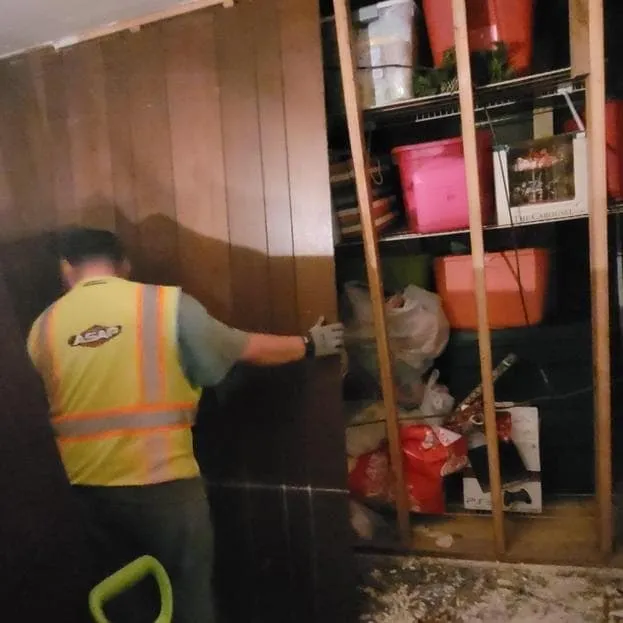
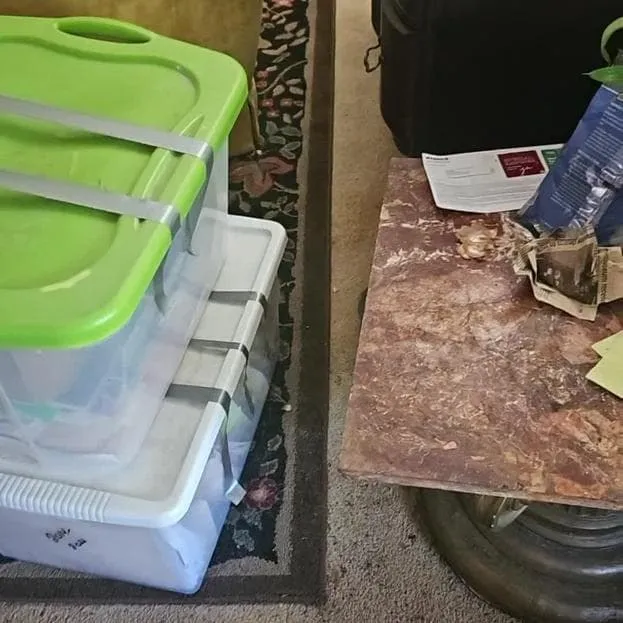
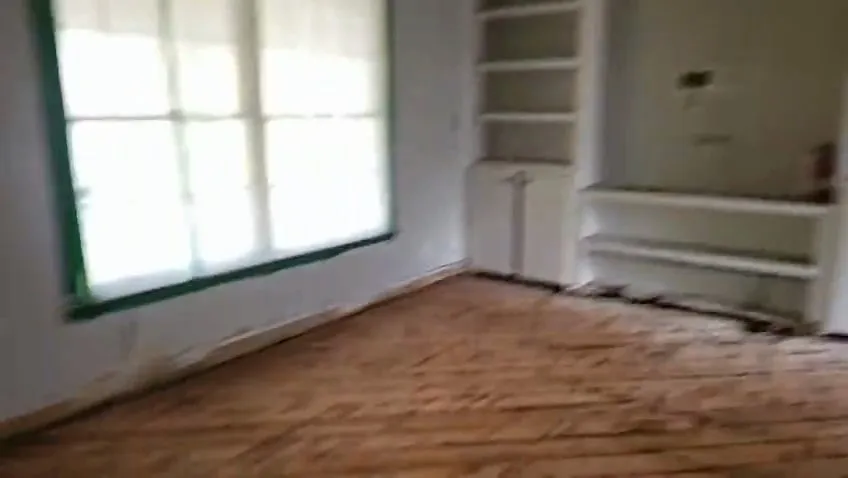
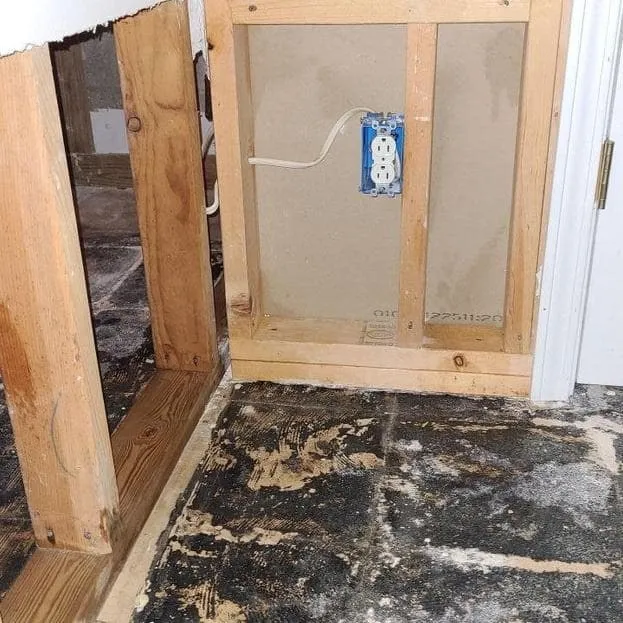
- Document before anything moves. Photos and video of every room, the source, the water line on the walls, and the damaged flooring. Keep the failed part.
- Report the claim. Write down the claim number, your deductible and the adjuster's name. Keep a log of every call.
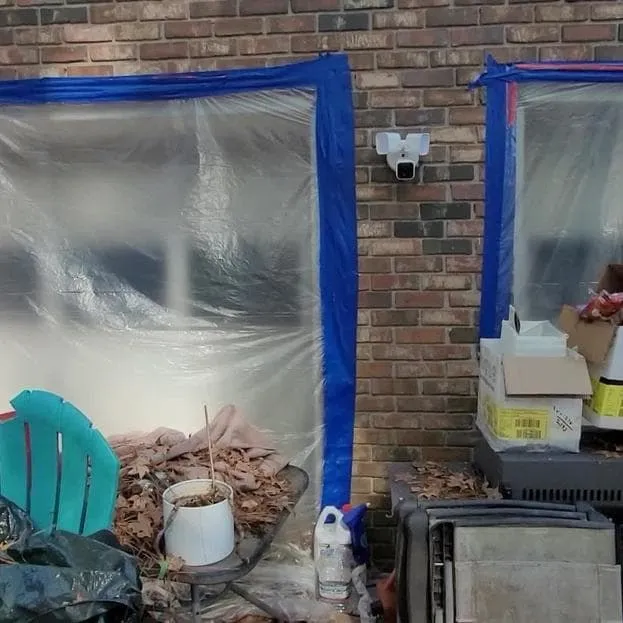
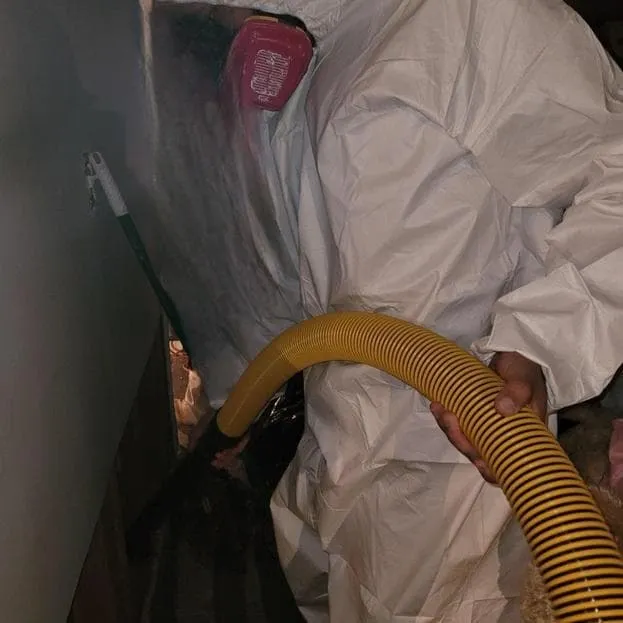
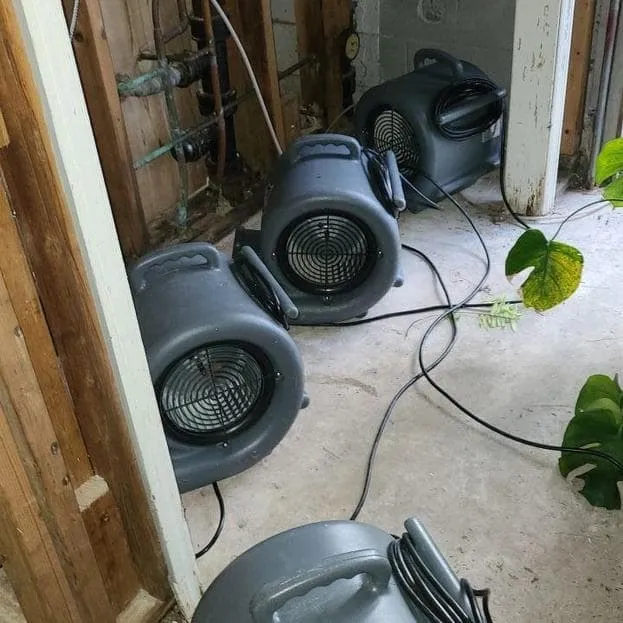
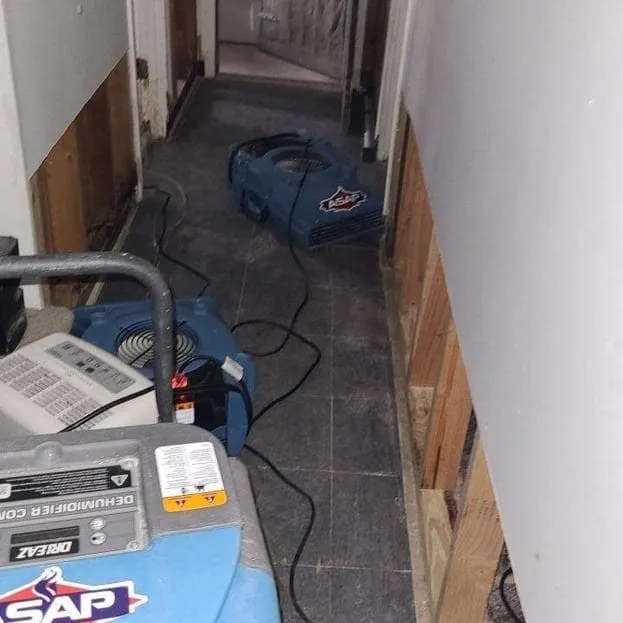
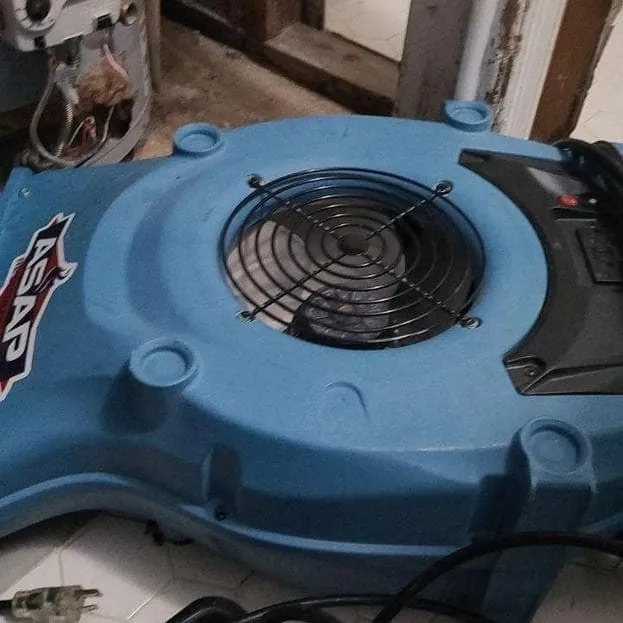
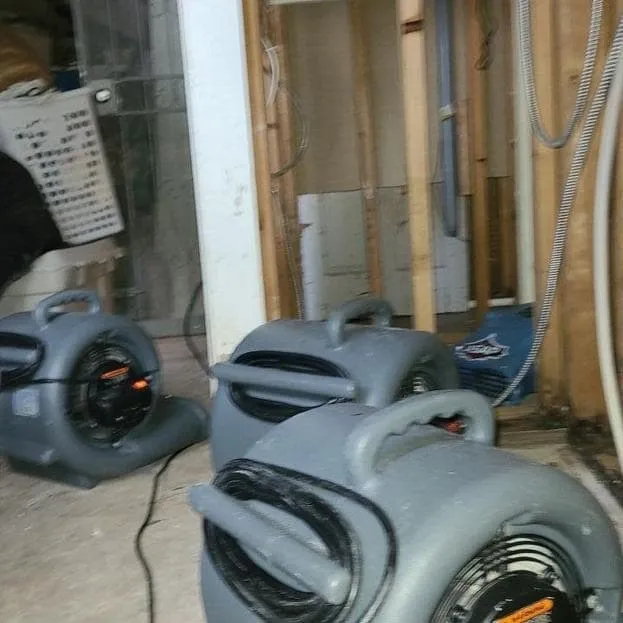
- Start mitigation. Water extraction and structural drying begin right away. This is your duty under the policy, and it limits the damage.
- Adjuster inspection. The adjuster looks at the damage and writes an estimate. Have your restoration contractor there if you can.
- Estimate and scope. The insurer's estimate is compared with your contractor's. Differences get worked out line by line.
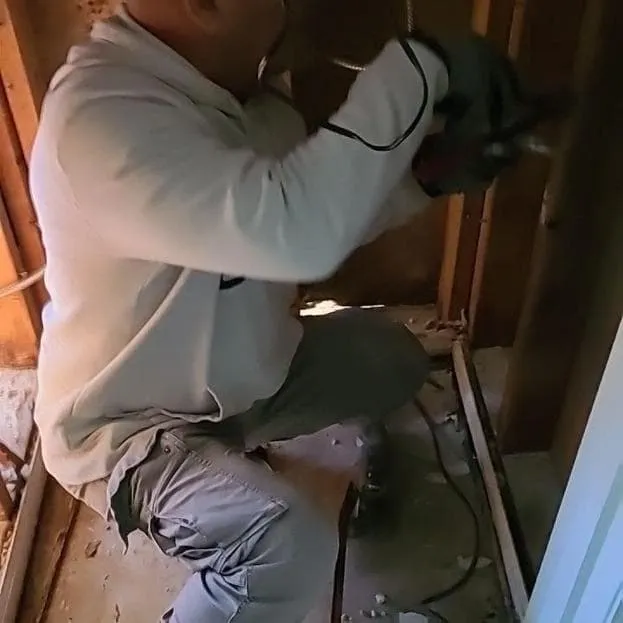
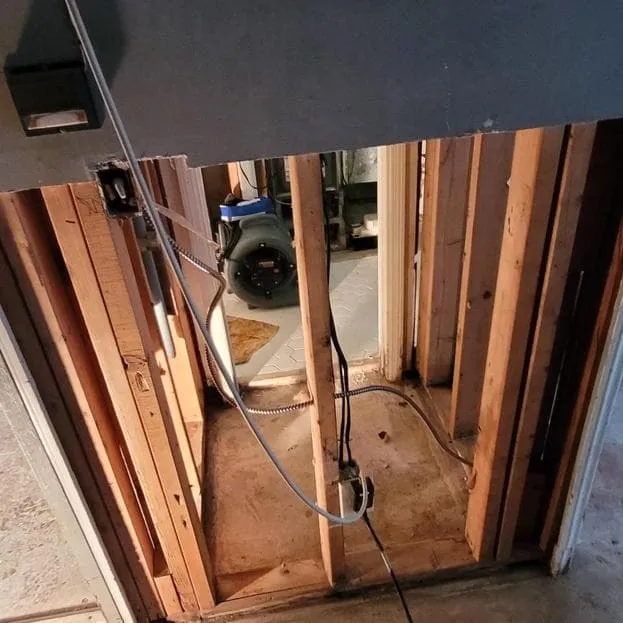
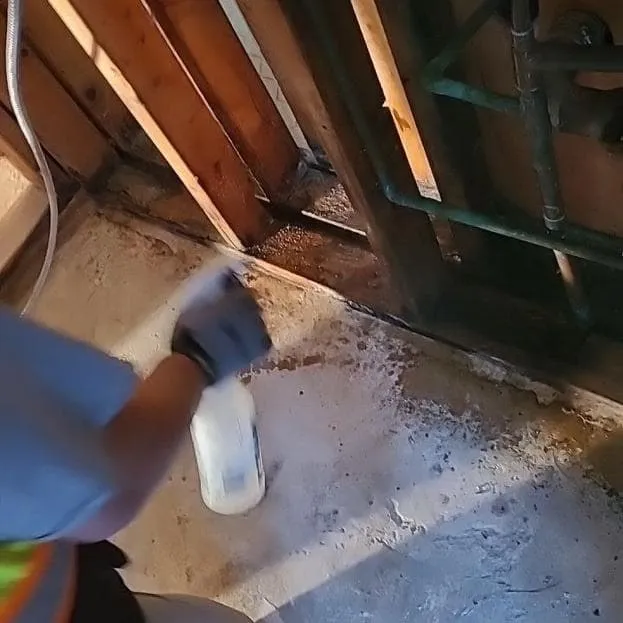
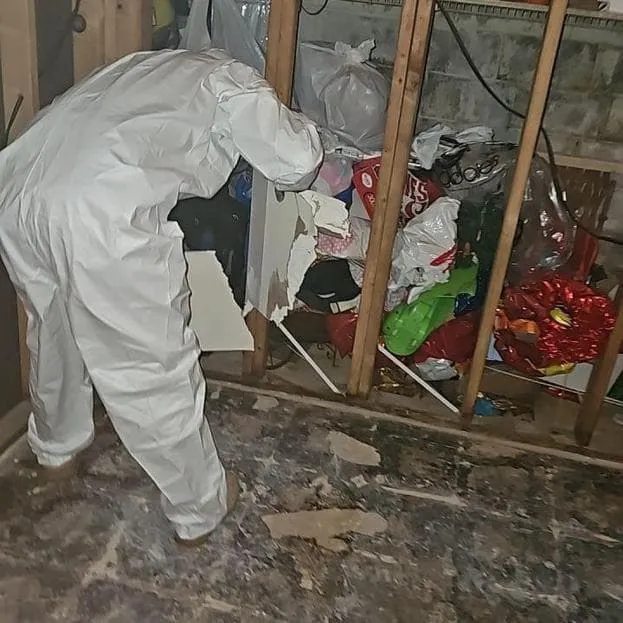
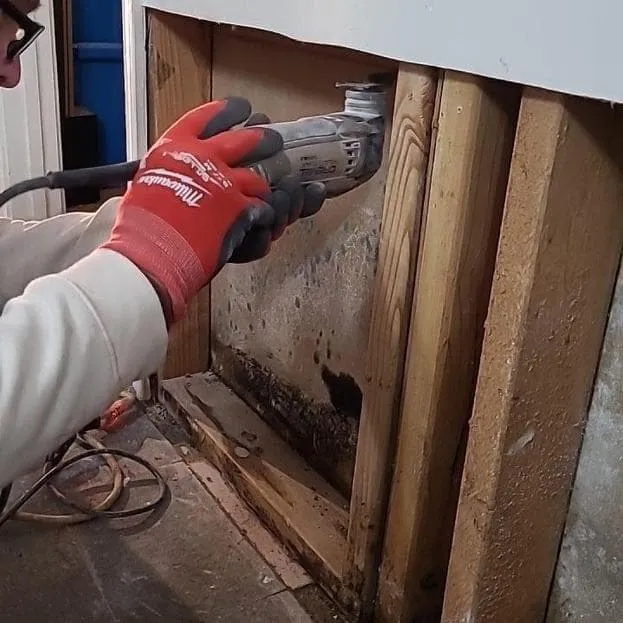
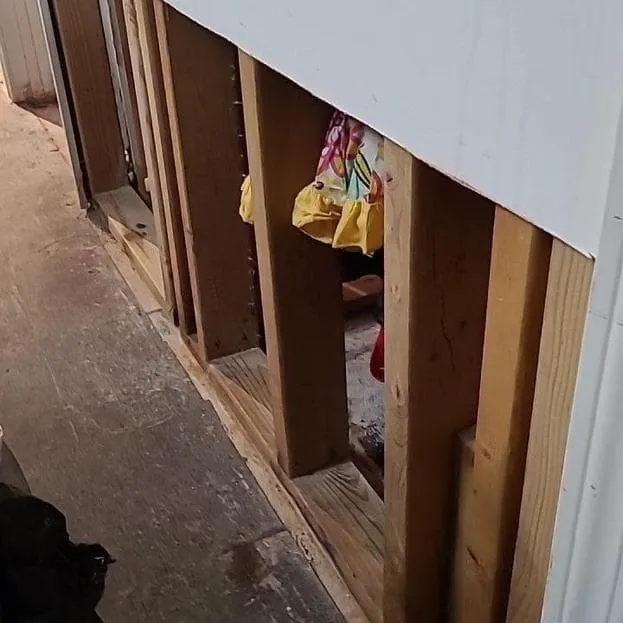
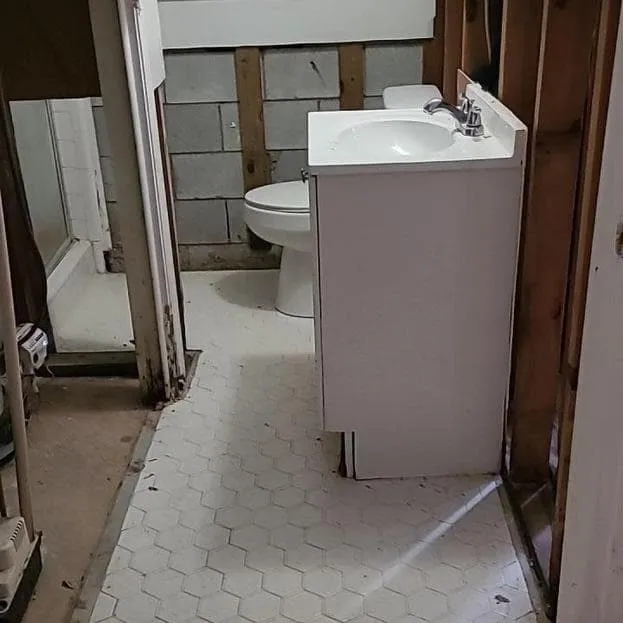
- Supplements. Hidden damage found during demolition is photographed and sent as a supplement for approval.
- Payment and rebuild. Money usually comes in stages. The withheld recoverable depreciation is released after the work is done and invoiced.
Where claims stall, and how to un-stick them
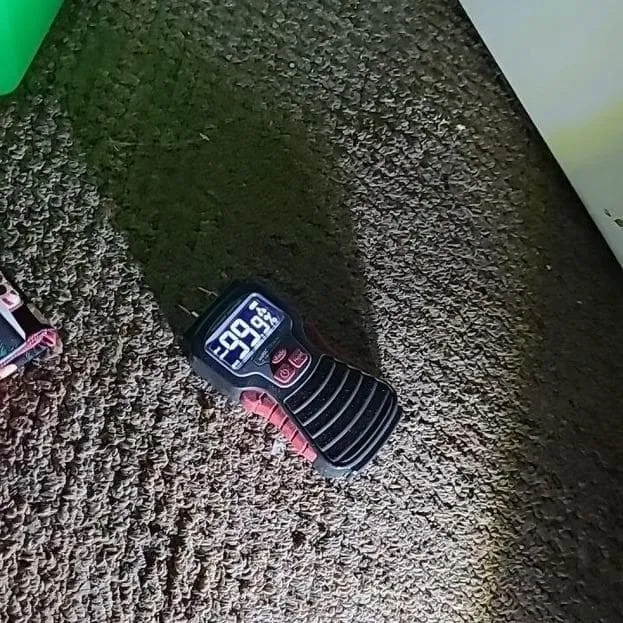
The estimate is too low. Adjusters usually write what they can see on the first visit. Wet framing behind dry-looking drywall isn't in that number yet, and neither is mold that starts inside the wall. The fix is evidence: moisture readings, photos of the open wall, and an itemized supplement.
Supplements bounce back and forth. Each review can take weeks. Send them complete the first time, with photos, readings and line items. Then ask for a date.
The adjuster changes. A new desk adjuster may not read the old file notes. Keep your own file of every estimate, photo and email, and resend it in one package with a short summary.
Mitigation and rebuild are split. Some drying companies only dry. When the fans leave, you start over finding a contractor and getting another estimate approved. That gap alone can add weeks. A company that handles both water damage restoration and reconstruction closes it.
The mortgage company is on the check. Larger checks are often made out to you and your lender. The servicer may hold the money and release it in stages after inspections. Call on day one and ask for its requirements in writing.
The bill and the payment don't match. If the insurer pays less than the invoice, the homeowner usually owes the difference. Ask for the insurer's estimate, compare line items, and push back on the specific ones in writing.
Your rights and deadlines in Georgia
- Insurer response. Georgia rules give insurers 15 days to acknowledge a claim, generally 60 days to accept or deny it after a completed proof of loss, and 10 days to pay once the amount is agreed.
- Denials in writing. A denial has to be written and cite the specific policy wording.
- Your choice of contractor. You can pick who repairs your home.
- Deductibles. A contractor who offers to "cover" or waive your deductible is a red flag. Georgia's insurance commissioner warns that it can be insurance fraud for the contractor and the homeowner.
- Complaints. If a claim stalls with no answer, you can file a free complaint with the Georgia Office of Commissioner of Insurance. The insurer has to respond in writing.
- Escalation. For disputes over the amount, check your policy for an appraisal clause. Public adjusters and attorneys are options for large disputes.
What to sign, and what to watch for
A work authorization lets a company start and says how it gets paid. That's normal. Before you sign, check:
- Who the invoice goes to, and when payment is due
- What happens if insurance pays less than the bill
- Whether it assigns your benefits or claim rights to the company
- That there are no blank lines or open-ended charges
Ask for a copy of everything you sign. If the scope or price changes, you should see it before the work happens.
How we get you back to normal, ASAP
Most of the delay in a water claim lives in the gaps between people. We close them.
- Fast start. We answer 24/7 and send a crew from our Norcross office. Extraction and drying start on the first visit.
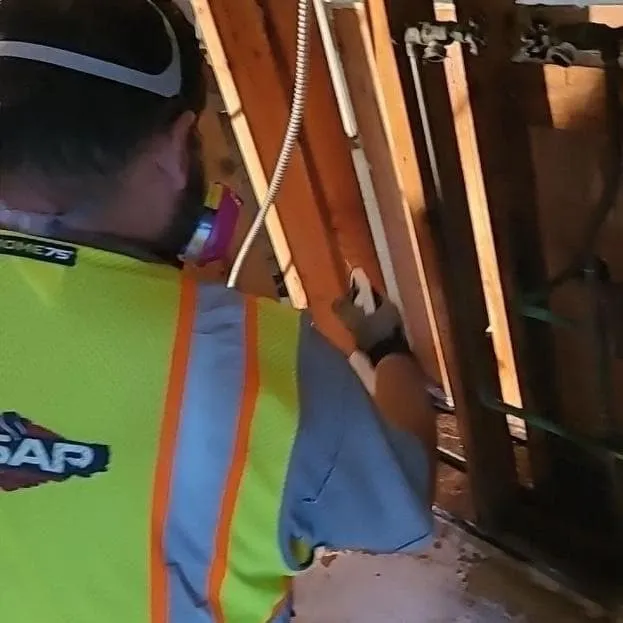
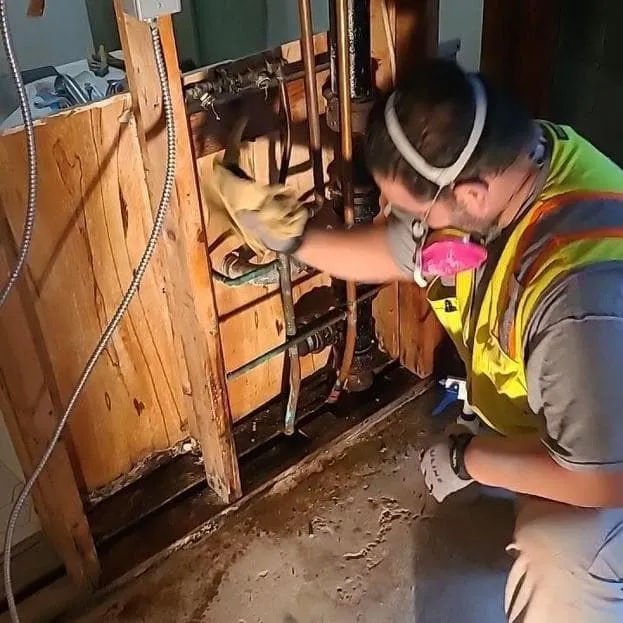
- Proof from day one. Our IICRC-certified technicians map moisture with a thermal camera, meters and a hygrometer, and photograph every wet area before it comes out. Drying is tracked with readings until the materials reach a dry standard.
- At the inspection. We can meet your adjuster on site and walk them through the readings and photos. [VERIFY: ASAP attends adjuster inspections]
- One estimate format. We write in Xactimate, the format adjusters use, which keeps the scope discussion on specific line items.
- Supplements sent while the wall is open. When we find hidden damage, the photos, readings and line items go to the adjuster right away.
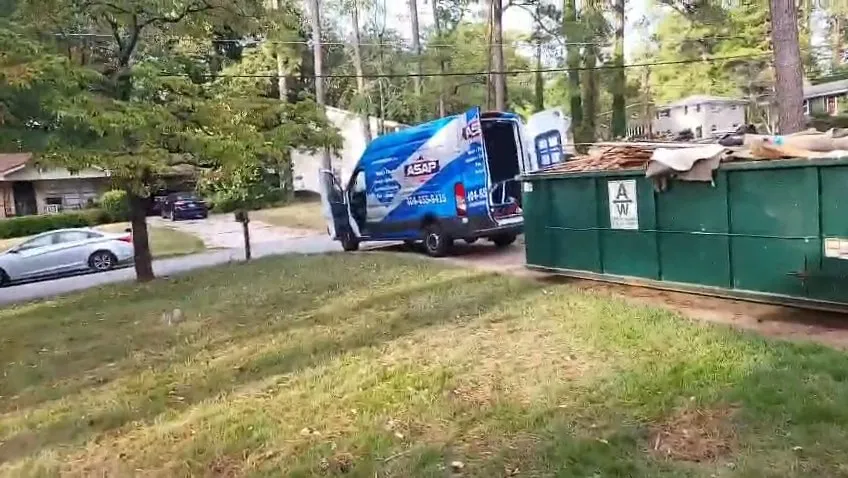
- No handoff. Our own crew does the rebuild: drywall, flooring, kitchen cabinets, bathrooms, trim and paint. Our general contractor is on staff, and we pull the permits and schedule licensed plumbers and electricians.
- Direct billing. We bill your insurer directly and work with every major carrier. If insurance pays less than the invoice, you're responsible for the difference. That's why we document everything.
One note: we document and communicate, but we don't negotiate your claim. In Georgia, negotiating on a homeowner's behalf takes a public adjuster license.