
What homeowners insurance usually covers
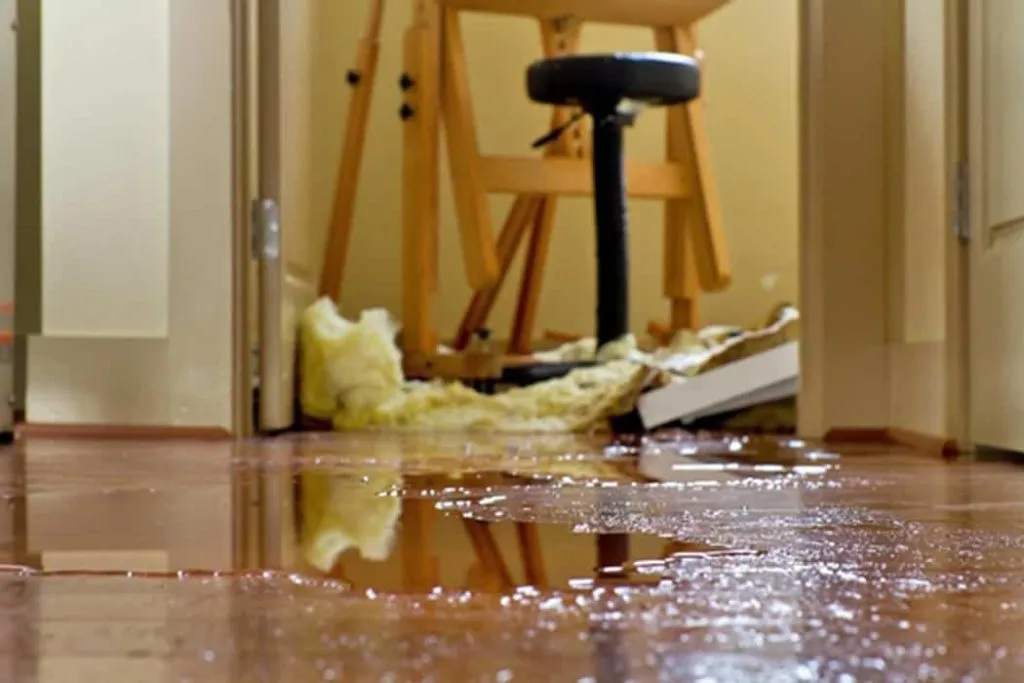
A standard homeowners policy (often called an HO-3) pays for water damage that's sudden and accidental. In plain terms: something broke, water came out fast, and you found it.
Common covered causes:
- A burst or frozen pipe inside the house
- A washing machine, dishwasher or ice-maker line that split (appliance leak cleanup)
- A water heater that failed and flooded the floor
- A toilet supply line that let go upstairs and came through the ceiling
- An overflowing tub or sink
- Rain coming in through a roof or window opening made by a storm
What gets paid is the damage the water caused: drywall, flooring, cabinets, trim, insulation, paint, and your belongings. The cost to dry the house out, called water damage mitigation, is normally included too. Your deductible comes off the top.
What it usually doesn't cover
This is where most surprises happen.
- Slow leaks. A drip under a sink or a shower pan that seeped for weeks is treated as wear and tear. Many policies exclude leaks that went on 14 days or more, even if the leak was hidden inside a wall.
- The thing that broke. The failed pipe, valve or water heater usually isn't covered. The water damage from it often is.
- Flood. Water that comes in from outside, over the ground, needs separate flood insurance. Without it, flood cleanup is usually out of pocket. Most Georgia homeowners outside a flood zone don't carry it.
- Sewer or drain backup. Sewage cleanup is covered only if you added a water backup endorsement, and that endorsement often has a low limit.
- Mold. Often capped at a small amount, and excluded when it comes from a slow leak or humidity. See mold from water damage.
- Freezing in an empty house. If the home was unoccupied and the heat wasn't kept on (or the water wasn't shut off and drained), a freeze claim can be denied.
Common situations, side by side
| What happened | Usually covered? | What decides it |
|---|---|---|
| Pipe bursts in a wall | Yes, the damage | Was it sudden? Was heat on? |
| Water heater floods the garage | Yes, the damage | The heater itself is on you |
| Dishwasher hose splits | Yes | Found and reported quickly |
| Shower pan leaked for months | Usually no | Treated as gradual seepage |
| Storm tears roof, rain gets in | Usually yes | Storm opening vs. worn roof |
| Creek rises into the basement | No, without flood insurance | Flood policy (NFIP or private) |
| Sewer backs up into the tub | Only with the add-on | Water backup endorsement limit |
Your policy wording decides every one of these. Ask your adjuster to put coverage answers in writing.
Why water claims get denied
Homeowners we talk to are rarely denied for the leak itself. They're denied for what the adjuster sees around it. The common reasons:
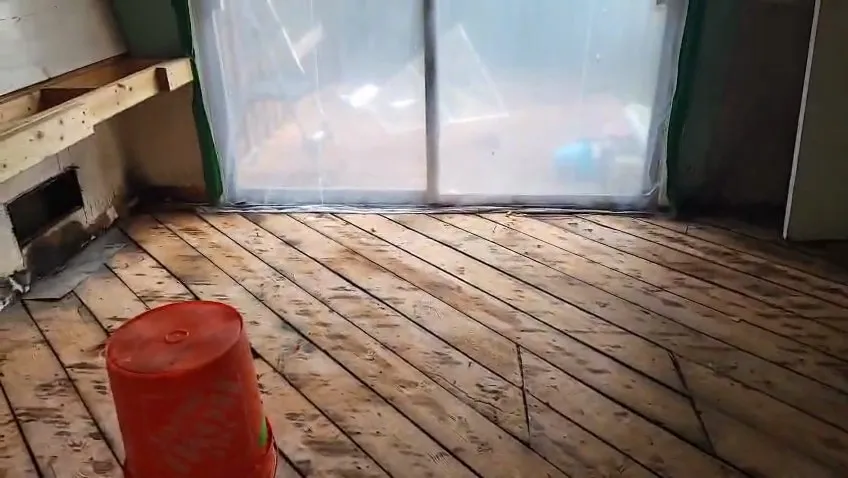
- "Long-term" or "gradual." Dark staining, rotted subfloor or old mold tell the adjuster the leak was there a while. A sudden leak found fast leaves cleaner evidence.
- Reporting late. Waiting weeks to call makes the damage look older and gives the insurer a reason to question it.
- Not stopping the damage. Policies require you to take reasonable steps to keep it from getting worse. Letting it sit can cost you coverage for the extra damage.
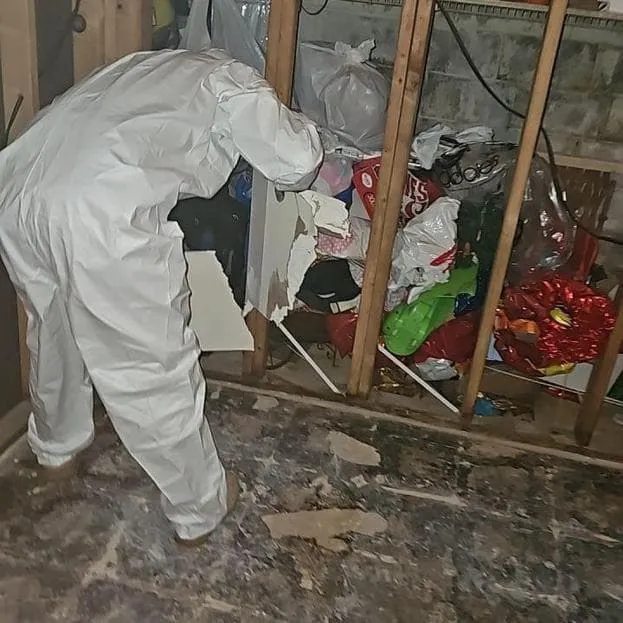
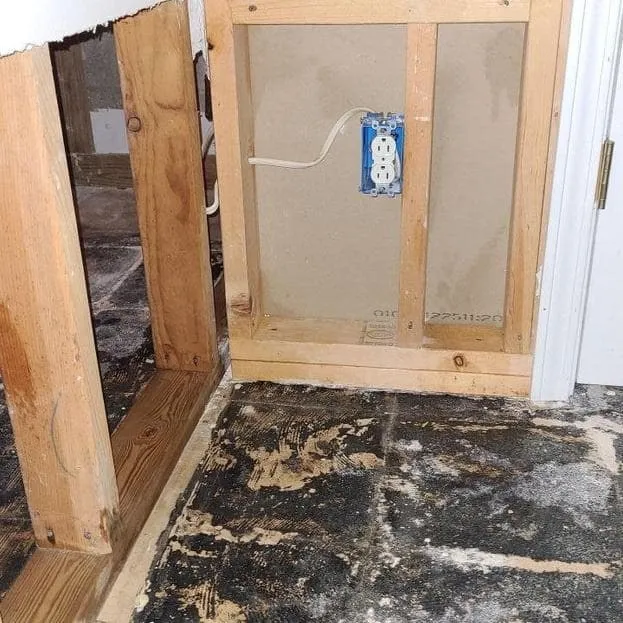
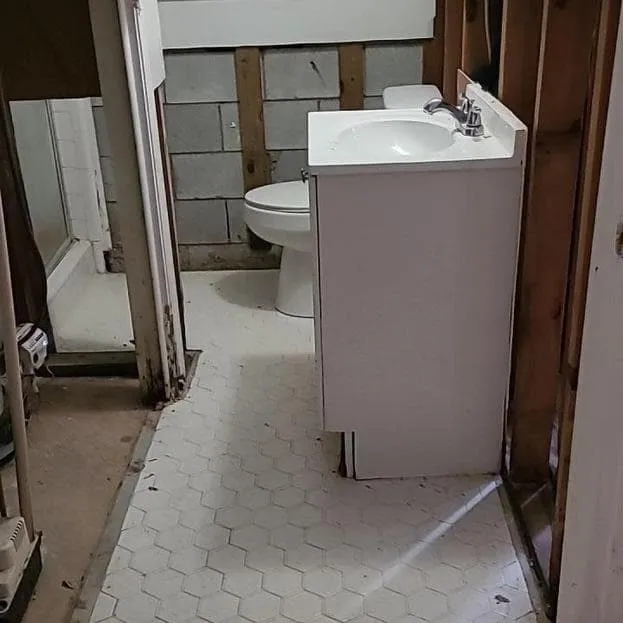
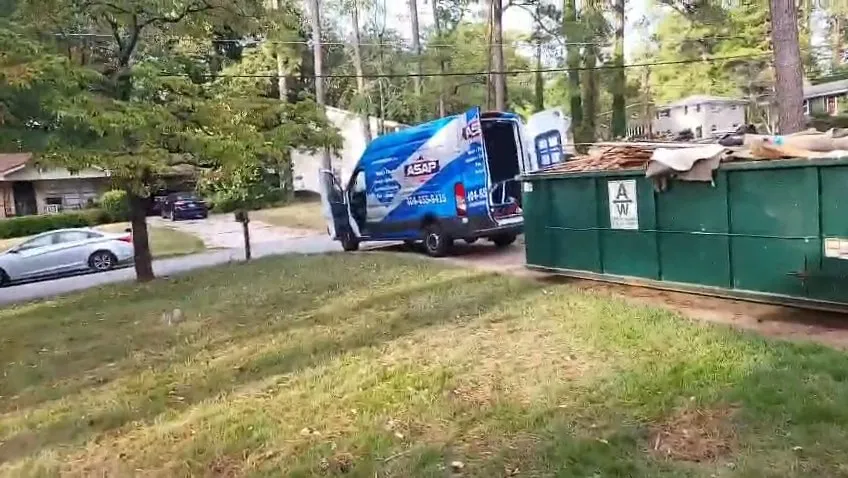
- No proof. Ripped-out drywall hauled to the dumpster before anyone photographed it is hard to get paid for.
In Georgia, a denial has to come in writing and point to the specific policy wording it relies on. If you get one, ask for that wording.
Should you file a claim?
Not always. Before you call the claims line, think about two things.
- The repair cost vs. your deductible. If the job is only a little over your deductible, the payout may not be worth a claim on your record.
- What the claim does at renewal. Water claims stay on your insurance history for years. A second water claim within a few years can get a policy non-renewed with some carriers.
Some insurers log a phone call about a loss even if you never file. So get the number first. A restoration company can look at the damage and write you an estimate, and then you decide.
How we get you back to normal, ASAP
Coverage is your insurer's call. Getting the house dry and back together is ours. Here's what we do so the claim has what it needs and the work doesn't stall:
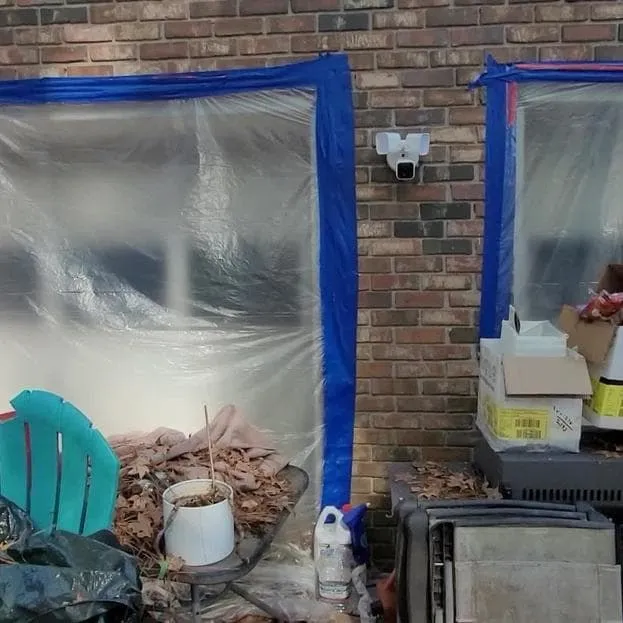
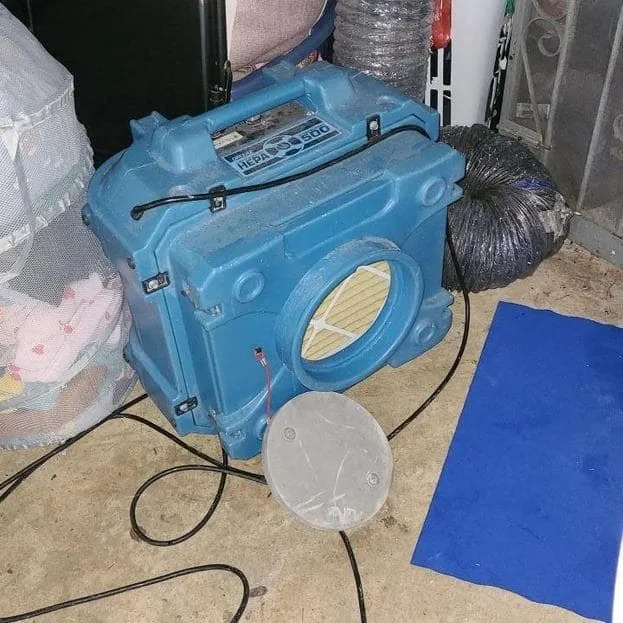
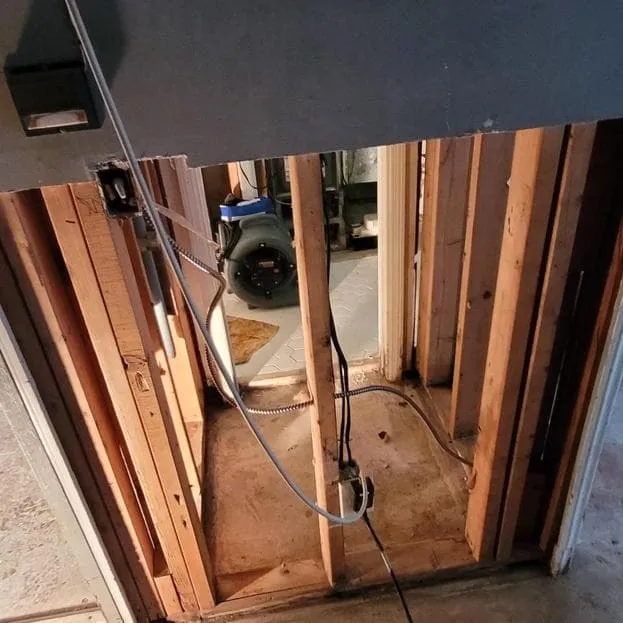
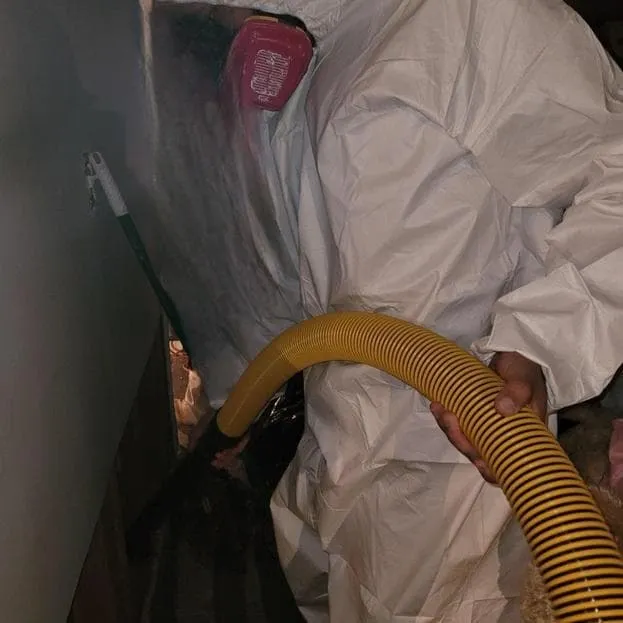
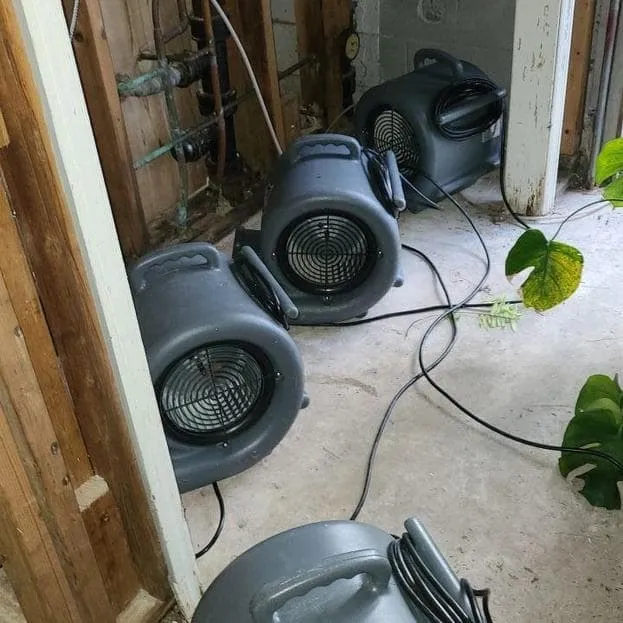
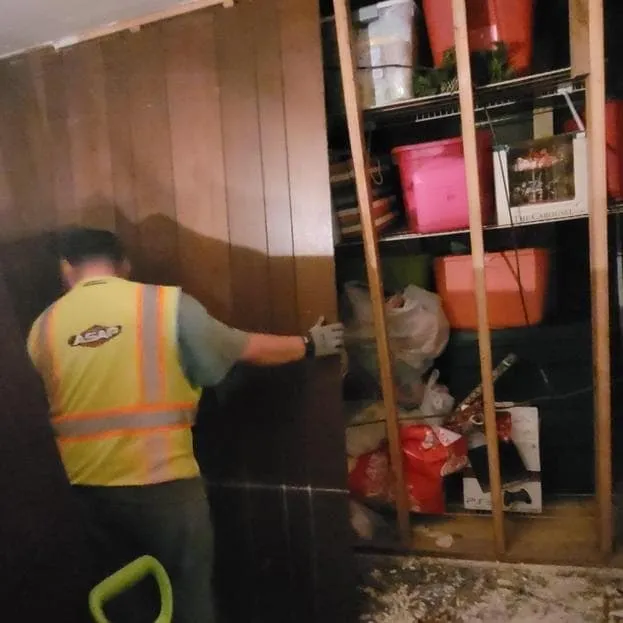
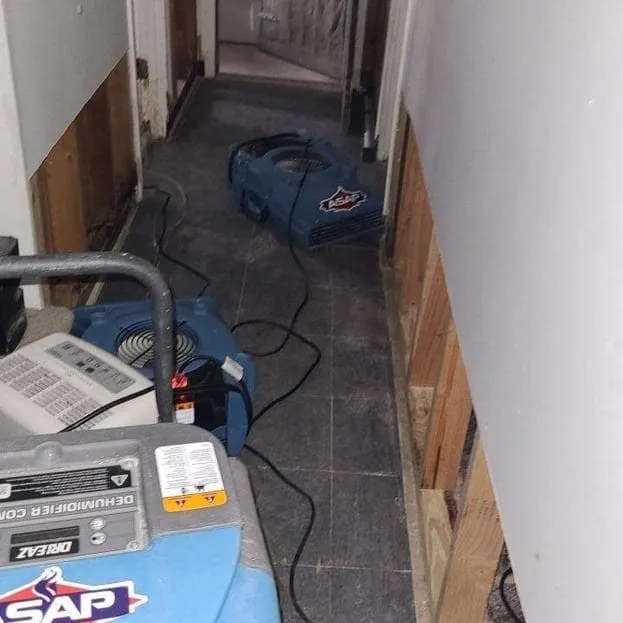
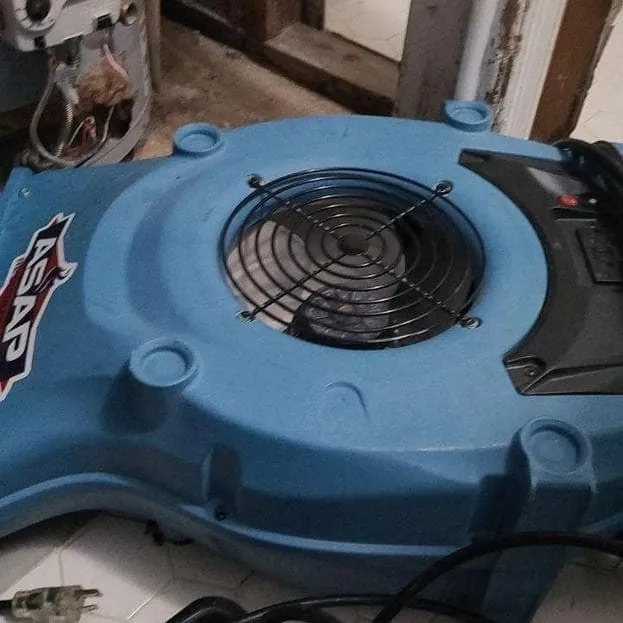
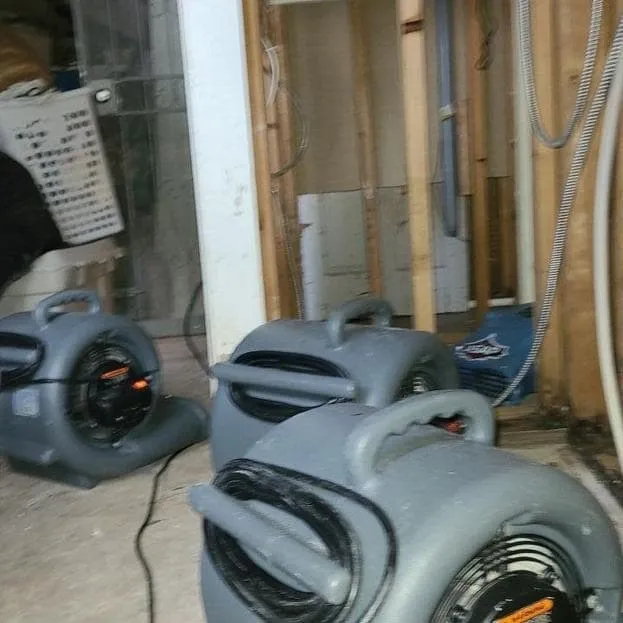
- Stop it from spreading. We answer 24/7, pull the water out, and start drying the same visit. Fast drying is your best defense against a "long-term" denial and against mold.
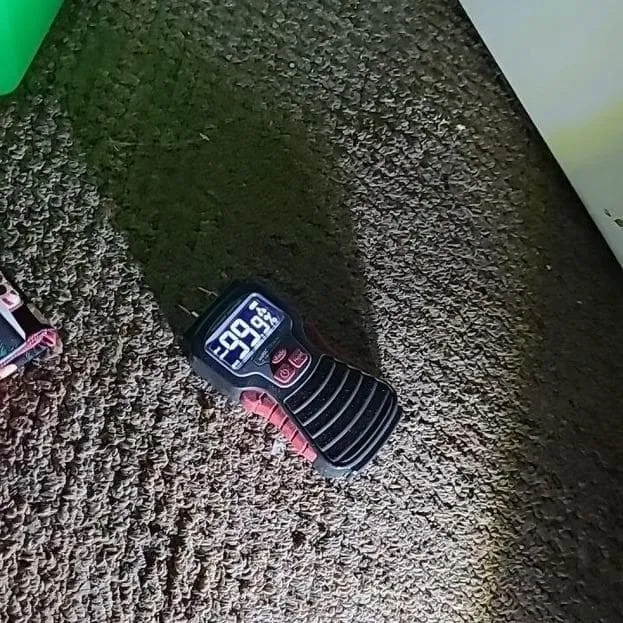
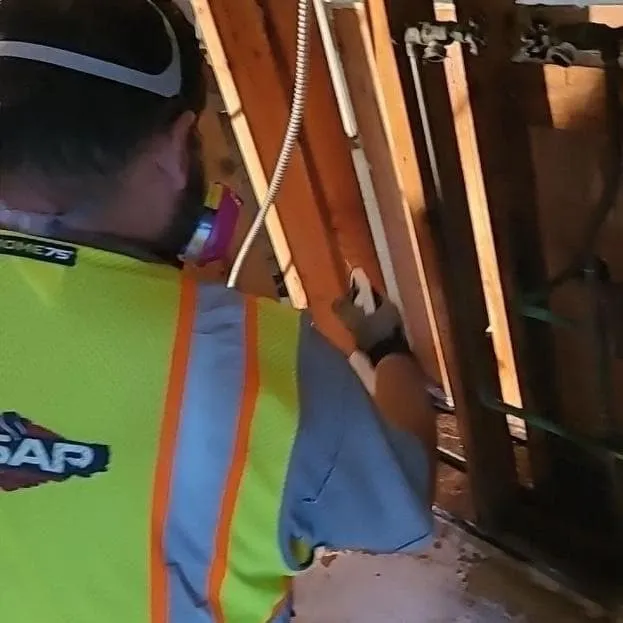
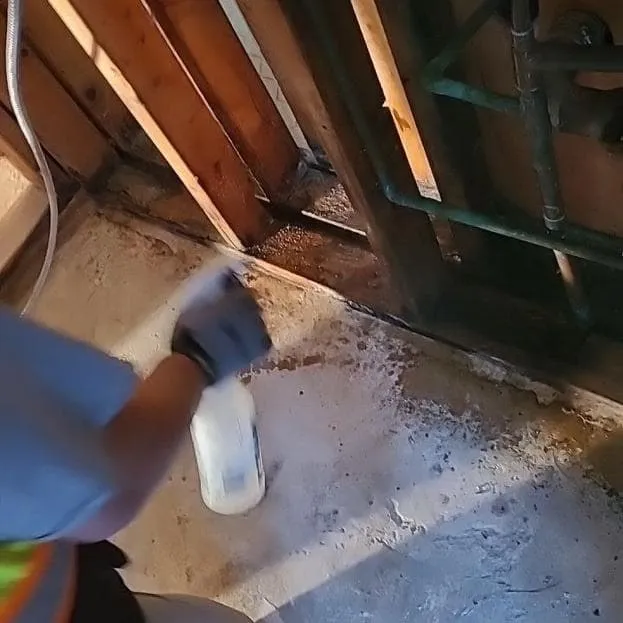
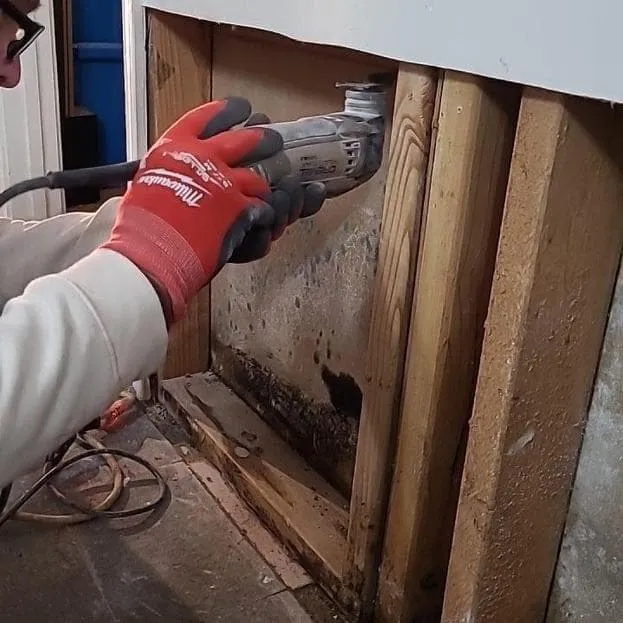
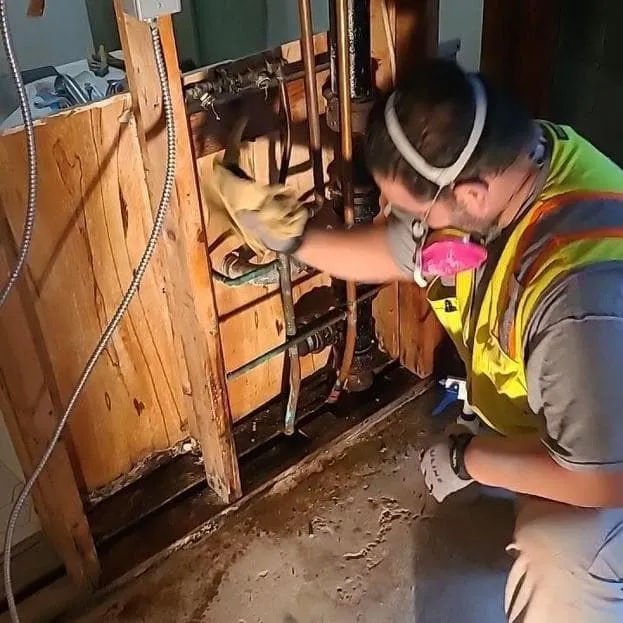
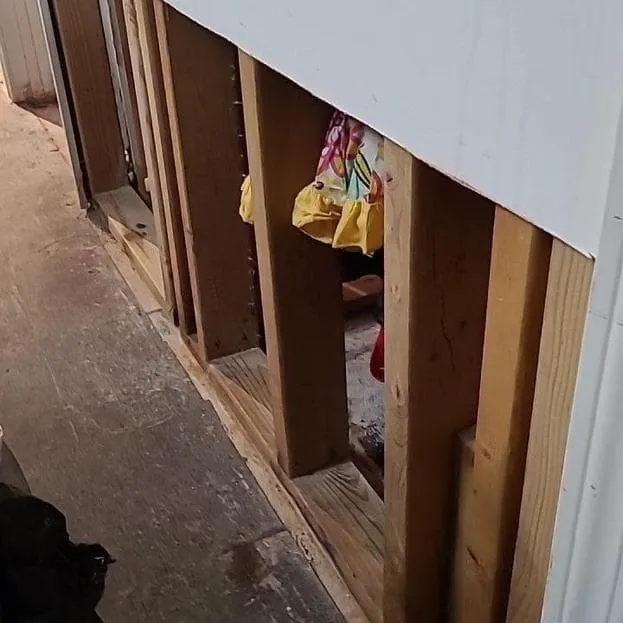
- Document like the adjuster will. Our IICRC-certified technicians map the moisture with a thermal camera and meters, and we photograph every wet area before anything comes out. You get the readings.
- Speak the adjuster's language. We write an itemized Xactimate estimate, the same format adjusters use, so the scopes can be compared line by line.
- Bill your insurer directly. We work with every major carrier. If insurance pays less than the invoice, you're responsible for the difference, which is why we document so carefully.
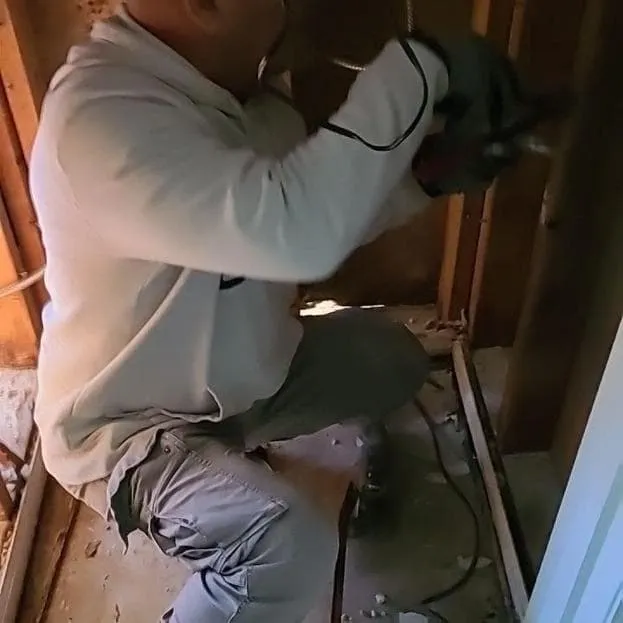
- Rebuild without a handoff. Drywall, flooring, cabinets, trim and paint are done by our own crew, so you don't wait to find a second contractor after the fans come out.
We don't negotiate your claim; in Georgia that takes a public adjuster license. We give you and your adjuster the proof.