
The two numbers on your estimate
Your adjuster's estimate shows two values for the same damage.
- Replacement cost value (RCV). What it costs to repair or replace the damage with new, similar materials at today's prices.
- Actual cash value (ACV). The replacement cost minus depreciation, meaning the wear and age of what was damaged. A 12-year-old carpet is worth less than a new one.
The gap between them is the depreciation. On a replacement cost policy, most of that gap is recoverable. On an actual cash value policy, it isn't.
How the first check is calculated
Insurers usually pay a replacement cost claim in two parts. Here's a simple example:
| Line | Amount |
|---|---|
| Replacement cost (RCV) | $20,000 |
| Minus depreciation held back | − $5,000 |
| Actual cash value (ACV) | $15,000 |
| Minus your deductible | − $1,000 |
| First check | $14,000 |
| Released after repairs are done | $5,000 |
| Total paid | $19,000 |
The $5,000 isn't lost. It's waiting for proof that you actually replaced the floors, cabinets or drywall. Insurers do this so they don't pay full replacement cost on work that never gets done.
Why this hits harder after water damage
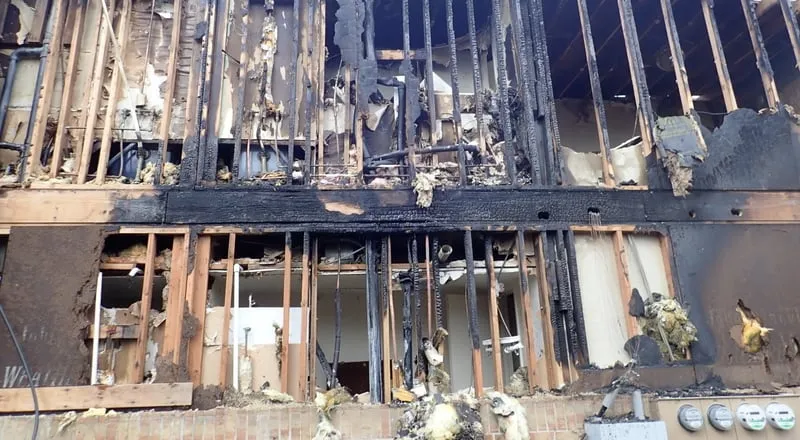
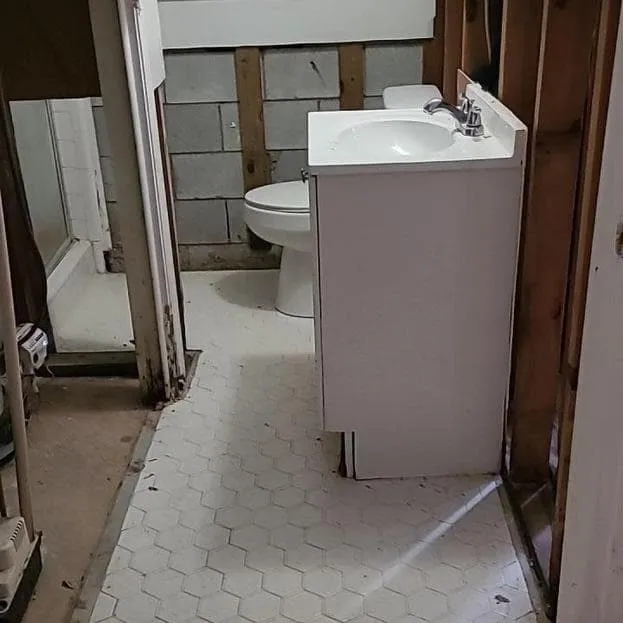
Water losses involve materials that depreciate fast: carpet and pad, laminate, paint, cabinets, and contents. So the holdback can be a big share of the estimate.
That creates a cash problem. A contractor needs money to order materials and start. You have the ACV check, not the full amount, and if your mortgage company is on the check, you may only have part of that. Homeowners describe this as being stuck: the contractor wants a deposit, and the insurer wants the work finished first.
Two more catches:
- Supplements change the numbers. When hidden damage turns up behind a wall, the insurer adds it in a supplement. That new work comes with its own depreciation.
- Someone else's insurer may pay ACV only. If an upstairs neighbor's leak damaged your condo and you claim on their policy, their insurer may only owe actual cash value. Claiming on your own policy may be the only way to recover the full cost.
How to collect the held-back money
- Read your loss settlement section. Look for a deadline to complete repairs and claim the replacement cost.
- Keep the scope close to the estimate. Upgrades are fine, but the insurer pays for like-kind replacement. Changes in scope should go to the adjuster first.
- Get the work finished and invoiced. The final invoice should match the estimate's line items as closely as possible.
- Send proof. Final invoice, completion photos, and a short letter asking for release of the recoverable depreciation, with your claim number.
- Follow up in writing. In Georgia, once an insurer agrees to the amount owed, it generally has 10 days to pay. Keep dates of every call and email.
If your mortgage company is on the check, ask now what it needs to release funds: often an inspection, lien waivers and a completion certificate. Those steps take time, so start them before the last coat of paint.
How we get you back to normal, ASAP
The depreciation holdback is where a lot of rebuilds stall. We set the job up so it doesn't.
- An estimate built for comparison. We write our estimate in Xactimate, the format adjusters use. Your adjuster can line up our scope against theirs and settle the differences early, before work starts.
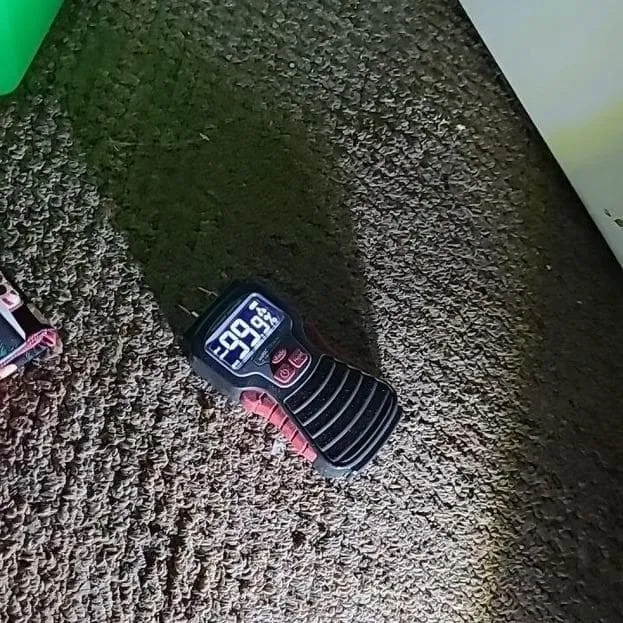
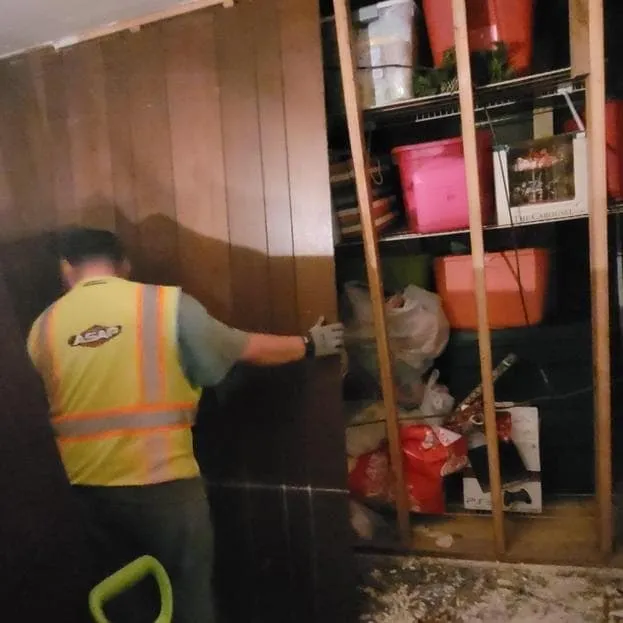
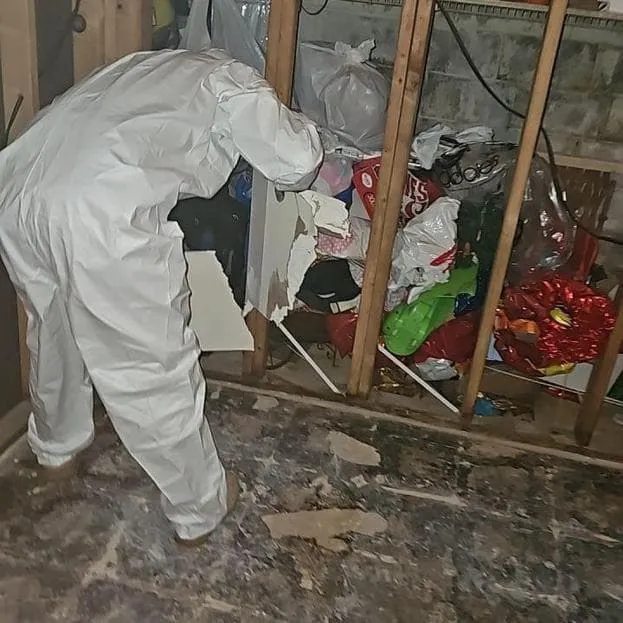
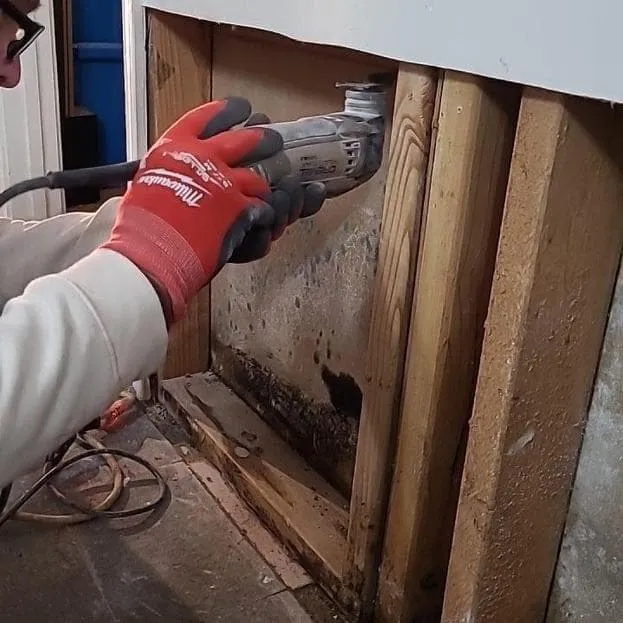
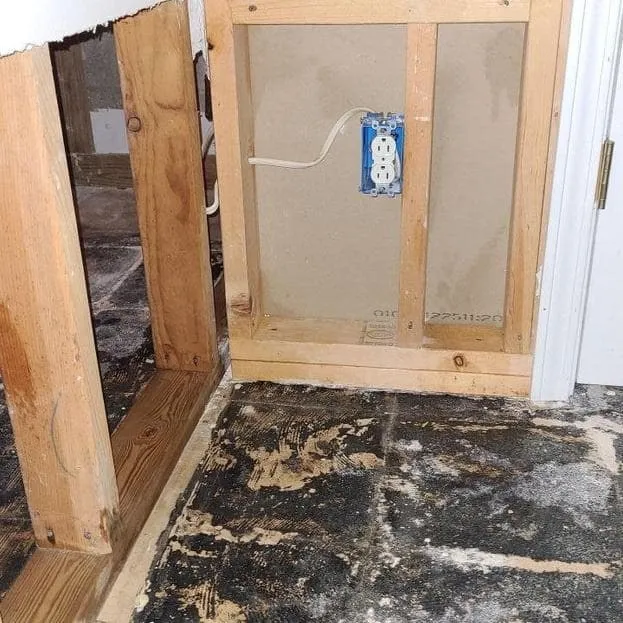
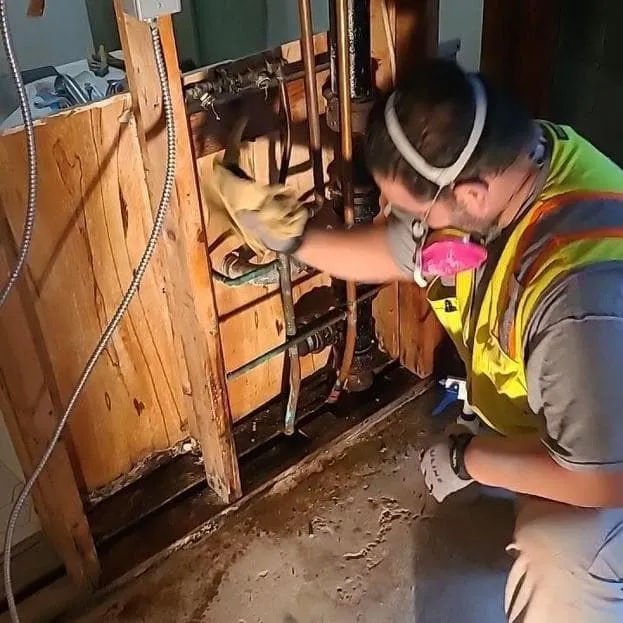
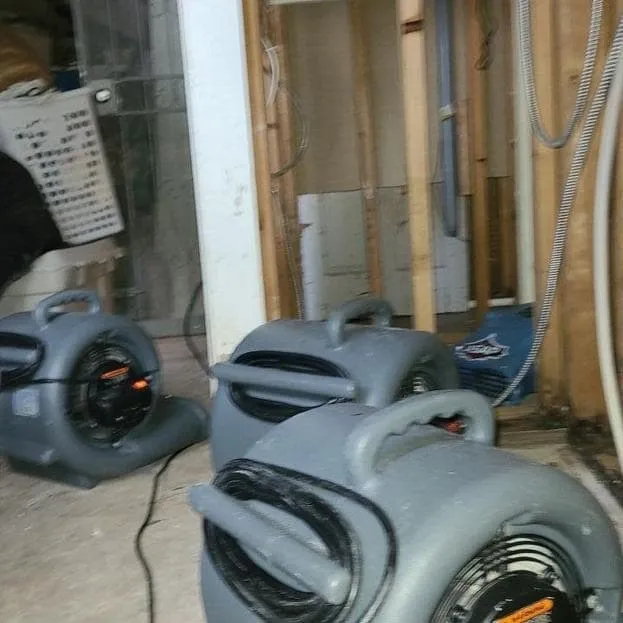
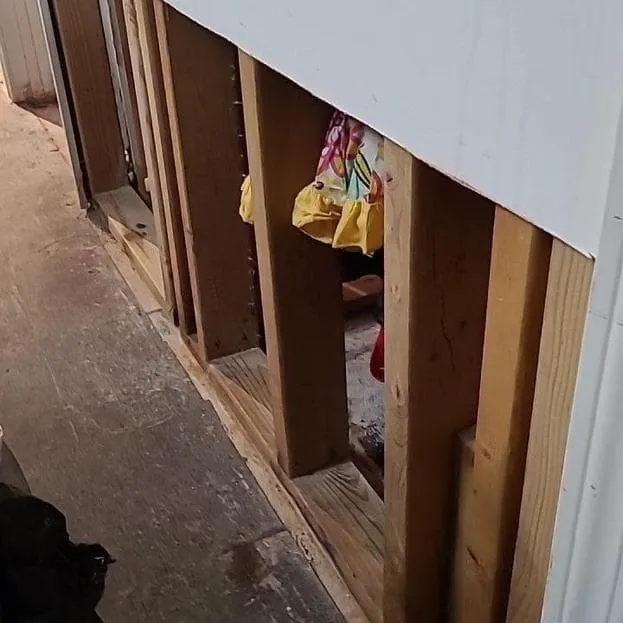
- Supplements with proof, right away. When we open a wall and find more wet framing or a damaged subfloor, we photograph it, take readings, check for mold, and send the supplement while the wall is still open.
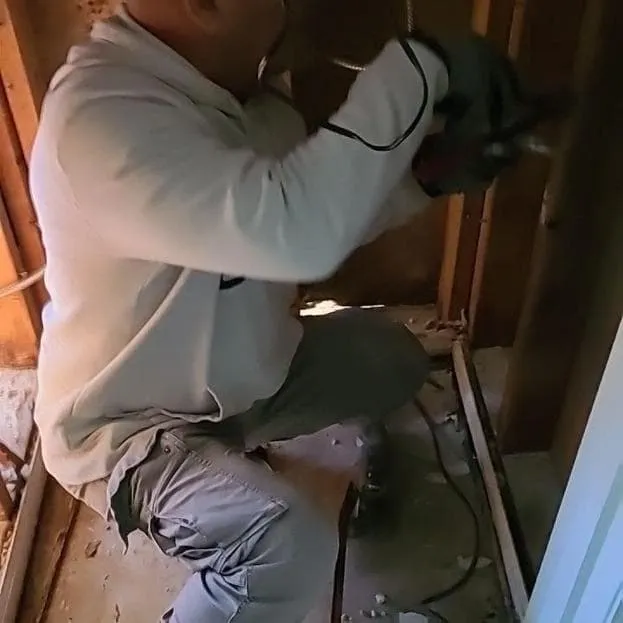
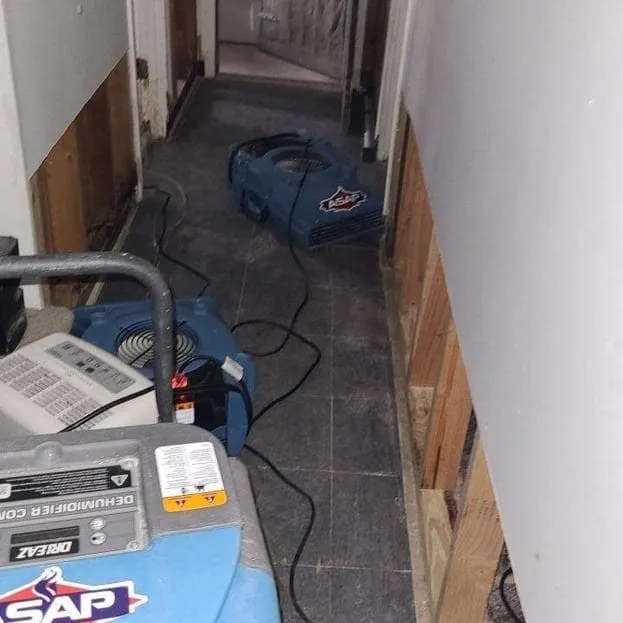
- One company from drying to final paint. After structural drying, we do the repairs ourselves: drywall, flooring, cabinets, trim and paint. Our general contractor is on staff and we pull the permits. That means the final invoice and completion photos come from us, ready to send to your insurer for the depreciation release.
- Direct billing. We bill your insurer directly and work with every major carrier. If insurance pays less than the invoice, you're responsible for the difference. That's why we document every step.
- Paperwork for your lender. We provide the invoices and completion photos a mortgage servicer asks for before it releases the next draw.
We don't negotiate claims; in Georgia that requires a public adjuster license. We make sure the numbers and the proof are clear.